
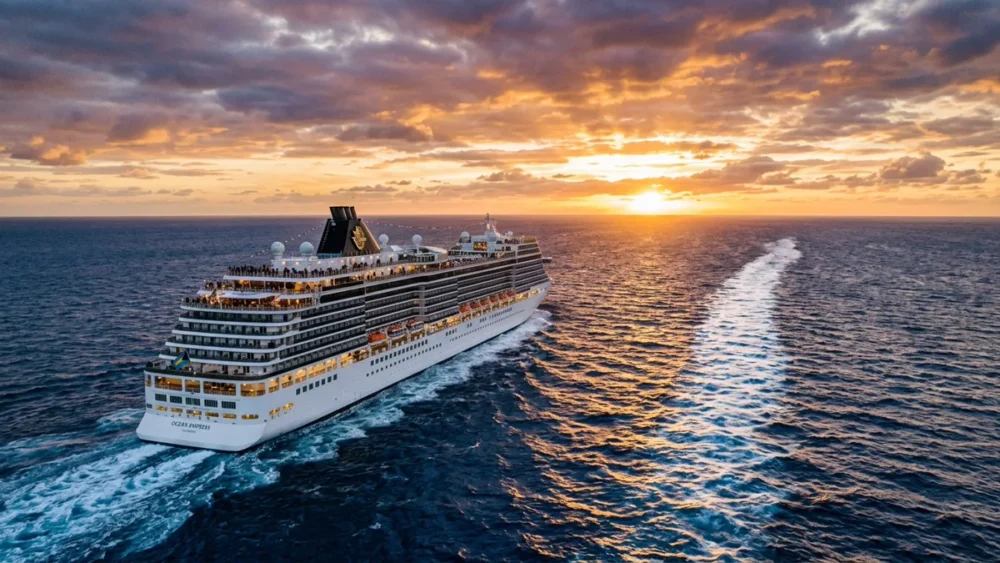
Boarding pass: A repositioning cruise is a one-way seasonal voyage that moves a cruise ship between global sailing regions, such as crossing the Atlantic between the Caribbean and the Mediterranean. These unique 12- to 16-night itineraries offer per-day savings of 30% to 50% compared to standard round-trip sailings, featuring multiple consecutive sea days and enriching onboard programming.
What Is a Repositioning Cruise and When Do Ships Migrate?
Modern cruise fleets deploy their vessels around the world to follow optimal weather and seasonal tourist demand. In the summer, millions of vacationers flock to the Mediterranean, Northern Europe, and Alaska. In the winter, consumer demand shifts south toward the warm waters of the Caribbean, Bahamas, and South America.
When cruise lines need to relocate large mega-ships across oceans at the change of seasons, they do not sail empty. Instead, they sell passenger tickets for these one-way transit voyages, known as repositioning cruises. For annual weather considerations across island regions, see our comprehensive guide on the best time to cruise Caribbean.
These seasonal migrations occur primarily during two peak transition windows:
- Spring Migrations (March to May): Ships depart winter homeports in Miami, Fort Lauderdale, and San Juan to sail eastbound across the Atlantic toward Barcelona, Southampton, and Rome, or transit north from California toward Seattle and Vancouver for the Alaska summer season.
- Autumn Migrations (September to November): Ships wrap up European and Alaskan summer deployments and journey westbound back to Florida, Texas, and Caribbean homeports ahead of the busy winter holiday rush.
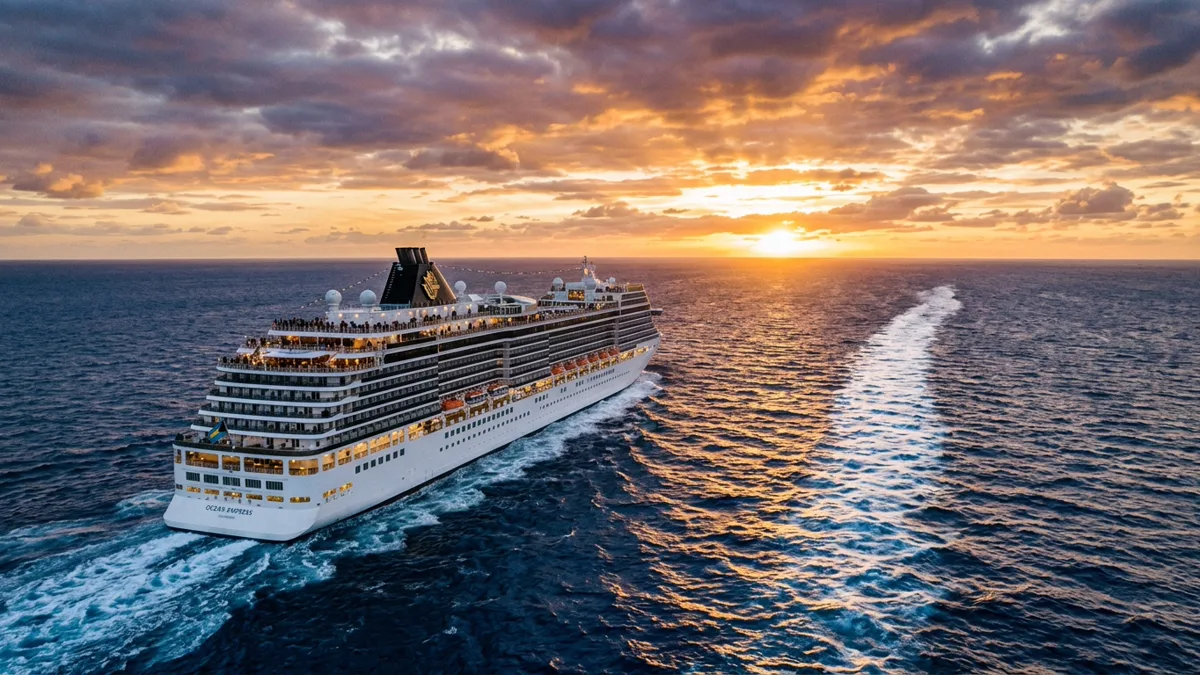
Planning ahead delivers maximum rewards. Because these voyages focus on long-distance ocean transit rather than hopping between daily island ports, they offer a distinctly peaceful, classic maritime travel rhythm with uninterrupted ocean vistas and magnificent golden hour sunsets.
How Much Can You Save Compared to Standard Round-Trip Sailings?
For budget-savvy travelers with flexible schedules, a repositioning cruise represents one of the greatest values in global travel. Because these voyages are one-way and last between 12 and 18 nights, cruise lines price them aggressively to fill staterooms.
Standard 7-night Caribbean or Mediterranean cruises during peak seasons often cost between $150 and $300 per person per night for a balcony cabin. In contrast, transatlantic repositioning voyages on lines like Celebrity Cruises frequently price out between $60 and $110 per person per night for equivalent accommodations.
Review the comparative value analysis below:
| Voyage Category | Average Duration | Nightly Balcony Rate | Ports vs. Sea Days |
|---|---|---|---|
| Standard Caribbean Cruise | 7 Nights | $180 to $250 / night | 4 Ports / 2 Sea Days |
| Standard Mediterranean Cruise | 7 Nights | $220 to $320 / night | 5 Ports / 1 Sea Day |
| Transatlantic Repositioning | 14 Nights | $75 to $115 / night | 4 Ports / 9 Sea Days |
| Panama Canal Repositioning | 15 Nights | $110 to $160 / night | 6 Ports / 8 Sea Days |
The daily math is compelling. A 14-night transatlantic cruise often costs less in total base fare than a 7-night peak summer Mediterranean cruise, while delivering double the vacation duration, all inclusive meals, and full access to shipboard amenities.
Which Ocean Routes Offer the Best Seasonal Itineraries?
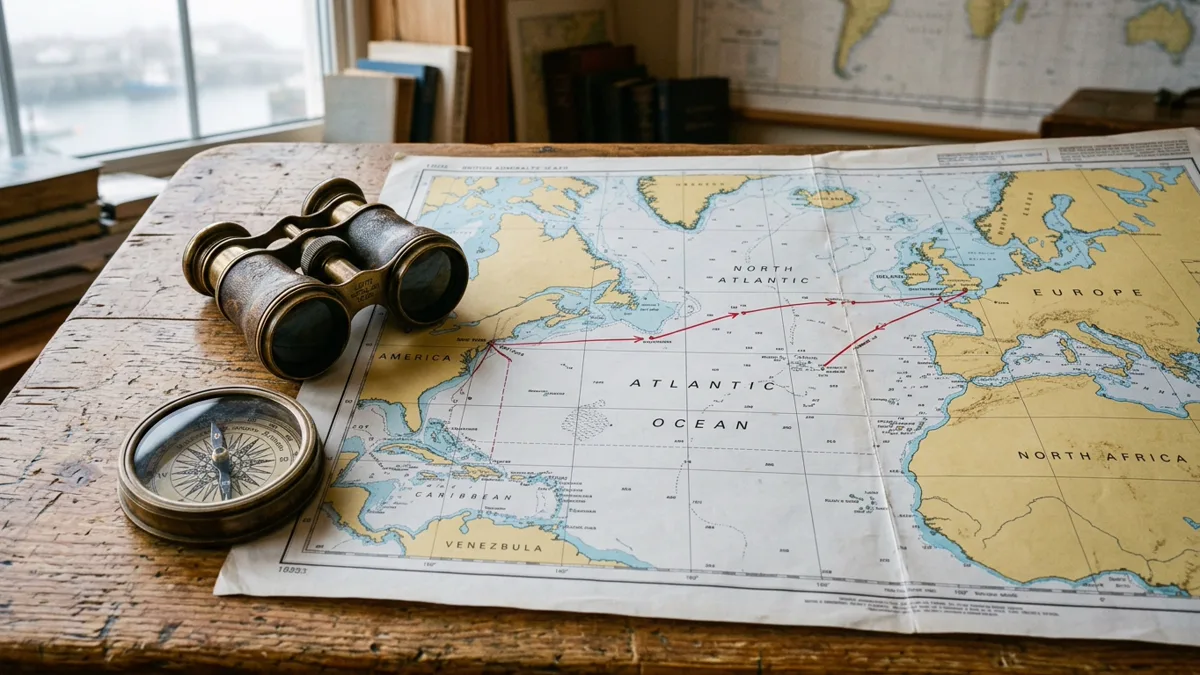
The premier ocean routes for repositioning voyages are transatlantic crossings between Florida and the Mediterranean, alongside transpacific routes and full Panama Canal transits. Each path delivers unique geographical highlights and remote island stops that circular voyages rarely visit.
Top repositioning routes include:
- Classic Transatlantic: Sailing between Florida (Port Everglades, Miami, Port Canaveral) and Southern Europe (Barcelona, Civitavecchia, Lisbon). These itineraries often include exotic midway stops in Bermuda, the Azores (Ponta Delgada), Madeira (Funchal), and the Canary Islands.
- Northern Atlantic Crossing: Connecting New York or Boston with Southampton, Rotterdam, or Copenhagen, featuring rugged scenic calls in Halifax, Greenland, and Reykjavik on fleets like Princess Cruises.
- Full Panama Canal Transit: Crossing between the Atlantic and Pacific oceans to move ships between Florida and Alaska or California. These 14- to 17-night voyages transit the historic Panama Canal locks and call at Costa Rica, Guatemala, and Mexico.
- Transpacific Crossing: Moving ships between North America (Seattle, Vancouver, Honolulu) and the South Pacific or Asia (Sydney, Auckland, Tokyo), featuring stops in French Polynesia and Fiji.
Cabin location is particularly important on long ocean transits. For optimal comfort during multi-day open ocean sailing, consult our guide on picking the best cabin on a cruise ship.
What Is Daily Life Like During Consecutive Ocean Sea Days?
The defining characteristic of a repositioning voyage is the high number of consecutive sea days. A transatlantic crossing often features five to seven unbroken days sailing across the open Atlantic Ocean without land in sight.
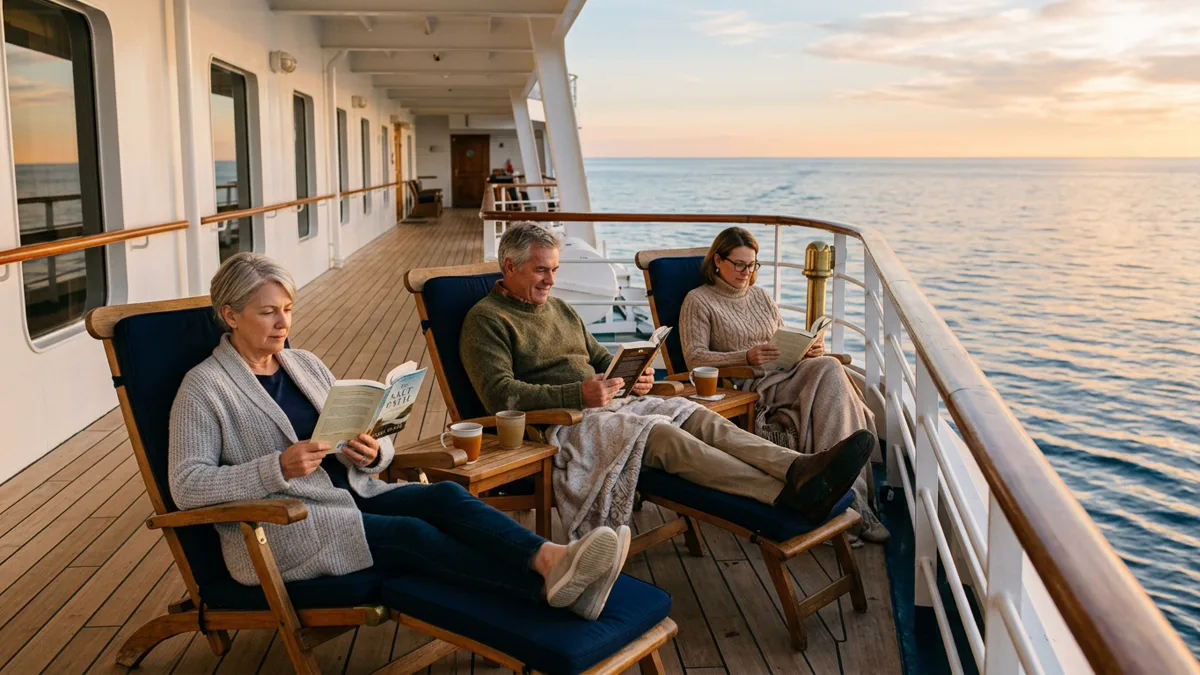
Life on board takes on a serene, unhurried rhythm. Without early morning port arrivals or gangway rushes, mornings begin with leisurely breakfasts on balcony decks, strolls along teak promenade walkways, and quiet reading in sunlit observation lounges.
Sea days offer mental clarity. Without constant excursion deadlines, guests settle into deep relaxation, enjoying spa hydrotherapy pools, fitness center ocean view workouts, and unhurried afternoons with a favorite novel. The ship becomes a tranquil floating sanctuary.
To keep guests engaged, cruise lines curate expanded onboard enrichment programming, including:
- Guest Lecturer Series: World-renowned historians, marine biologists, diplomats, and astronomers deliver fascinating daily lectures in the main theater.
- Culinary and Mixology Workshops: Executive chefs and sommeliers host interactive cooking demonstrations, wine tastings, and pastry masterclasses.
- Arts, Crafts, and Dance Instruction: Professional instructors teach watercolor painting, ballroom dancing, and bridge tournaments throughout sea afternoons.
- Behind-the-Scenes Tours: Ships often offer specialized guided tours of the navigation bridge, engine control room, and main galley facilities.
You can also participate in daily trivia tournaments, afternoon high tea, and fitness classes. Evenings feature live acoustic music, jazz trios, cabaret performances, and elegant formal dinners. If you are sensitive to ocean motion during open-water crossings, review our practical advice for managing seasickness on a cruise.
How Do You Plan One-Way Flights and Visa Requirements?
Because repositioning cruises start in one country and end in another, travel logistics require careful coordination compared to round-trip itineraries.
One-way international airfare can sometimes be expensive if booked through traditional legacy airlines. To optimize your budget, look into cruise line air programs (such as Flights by Celebrity or Royal Caribbean Air2Sea), which negotiate competitive one-way international air contracts. Alternatively, redeem airline frequent flyer miles, which price one-way international award seats at exactly half the mileage cost of round-trip tickets.
Verify passport and visa requirements well ahead of time. Ensure your passport has at least six months of validity remaining beyond your disembarkation date, along with at least three blank visa pages for entry and exit stamps across international borders.
Arrange ground transportation in advance. Booking private shuttles or express train tickets between your European arrival port (like Civitavecchia to Rome or Southampton to London) ensures smooth transit to international departure airports.
What Should You Pack for Shifting Ocean Climates?
Packing for a repositioning voyage requires preparing for dual climate zones. A ship departing sunny, humid Florida in April will cross breezy, cool North Atlantic waters (where outdoor temperatures can dip into the 50s Fahrenheit) before arriving in pleasant spring sunshine in Spain or Italy.
Layering is the golden rule. Pack lightweight merino wool cardigans, breathable windbreakers, and light thermal wraps that layer easily over daytime resort clothes. When planning your luggage inventory, pair these tips with our foundational cruise packing list and browse our complete when to go seasonal guides.
Bring ample reading materials, e-readers, sketchbooks, and journal notebooks to make the most of long, tranquil afternoons overlooking the endless ocean horizon. Experienced ocean voyagers appreciate these peaceful crossing days above all else. They offer an unmatched escape from everyday hustle.
Repositioning Cruise FAQ
Are repositioning cruises boring because of so many sea days?
Not at all. Travelers who love rest, reading, spa treatments, gourmet dining, and intellectual enrichment find repositioning voyages deeply rejuvenating and far more relaxing than port-intensive itineraries.
Is the ocean rough during a transatlantic repositioning cruise?
Modern mega-ships utilize advanced computer-controlled hull stabilizers and sophisticated weather-routing radar to avoid major Atlantic storm systems. Southern transatlantic routes through the Azores and Canary Islands are generally calm and temperate.
Can you work remotely on a repositioning cruise?
Yes. Modern cruise lines equipped with high-speed Starlink satellite internet allow passengers to handle emails, attend video meetings, and work remotely during transoceanic sea days.
Do kids enjoy repositioning cruises?
While youth clubs and children’s activity centers remain fully staffed and open, repositioning cruises tend to attract fewer families with school-aged children due to their length during non-holiday school months.
How we researched this: Route schedules, repositioning tariff data, and seasonal fleet deployment calendars are audited against published 2026 sailing schedules from Royal Caribbean, Celebrity Cruises, Princess Cruises, and Norwegian Cruise Line as of October 2026.