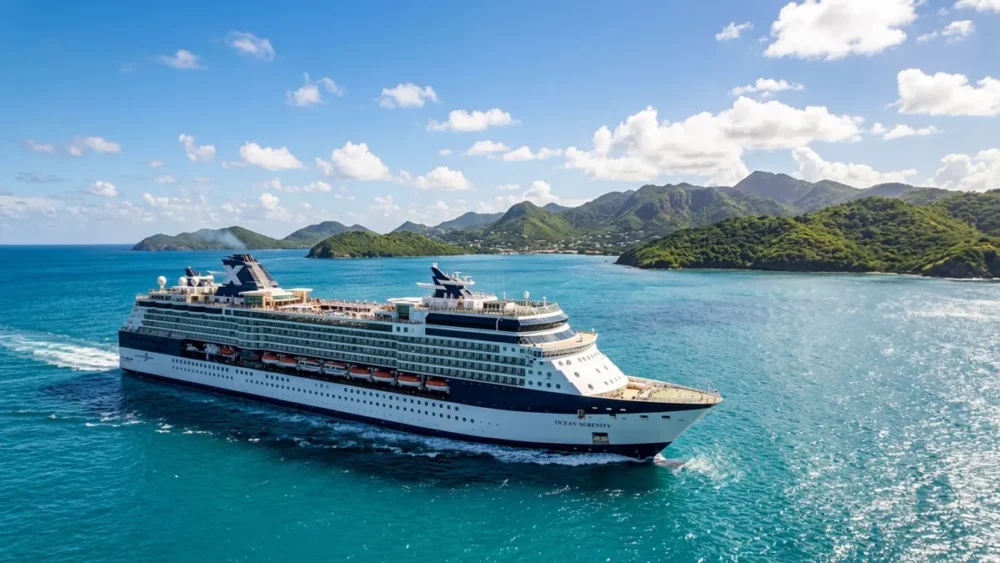
Boarding pass: The best time to cruise Caribbean waters is from mid-December through April for calm seas and low rainfall, while late summer and autumn offer lower fares with hurricane season flexibility.
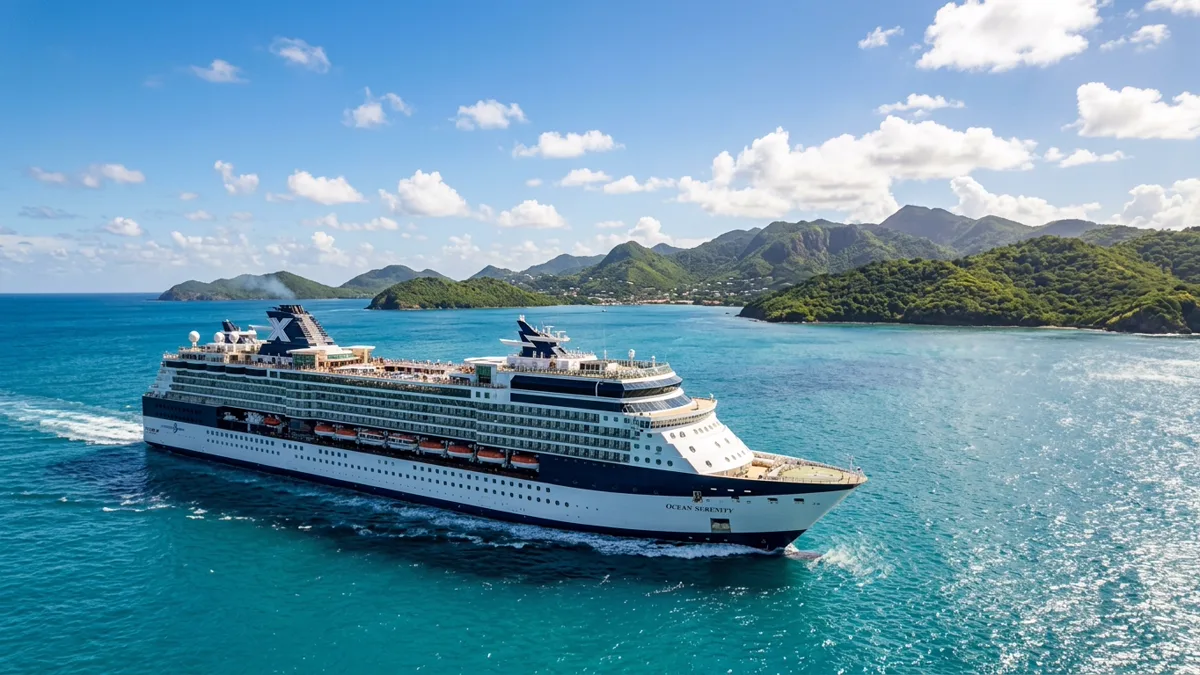
Choosing when to sail begins with the calendar, not the ship. The Caribbean spans more than one million square miles of tropical ocean, and weather patterns shift significantly across different sub-regions and seasons. While temperatures remain comfortably warm year-round, rainfall totals, humidity levels, sea swells, and passenger crowd levels fluctuate dramatically between winter dry months and late summer storm periods. Understanding these seasonal trade-offs lets you match your vacation priorities with the optimal sailing window.
Every month in the Caribbean presents a distinct balance between weather reliability, cruise pricing, and stateroom availability. Travelers seeking pristine beach days with minimal rain gravitate toward winter and spring departures, whereas budget-conscious travelers often take advantage of reduced autumn fares during the Atlantic storm season. When planning your voyage timing, explore our when to go guide and review our comprehensive cruise packing list to prepare for variable tropical conditions.
- Mid-December to April (Winter Peak): Warm daytime highs in the low 80s, minimal rainfall, low humidity, and calm sea conditions with peak holiday crowds.
- May (Spring Shoulder): Excellent sailing conditions with lower crowds and moderate pricing between spring break and summer school holidays.
- June to August (Summer Family Season): Warmer temperatures in the high 80s, increased afternoon tropical showers, and high family passenger volume.
- September to October (Autumn Value Season): Peak of the Atlantic hurricane season with the lowest annual cruise fares and warmest ocean temperatures.
- November to Early December (Early Winter Value): Decreasing storm risks, pleasant tropical temperatures, and excellent value before holiday travel surges.
What Are the Best Months for Calm Seas and Low Rainfall in the Caribbean?
The optimal window for calm seas, clear skies, and low humidity runs from mid-December through April. During these dry winter months, prevailing trade winds keep coastal breezes comfortable, daytime temperatures average between 80 and 84 degrees Fahrenheit, and tropical rainfall is at its annual minimum across the region.
Winter in the Caribbean represents the traditional high season for maritime tourism. Northern cold fronts rarely penetrate far enough south to disrupt voyages, resulting in smooth sailing conditions across Eastern and Western itineraries. Port days in destinations like St. Thomas, St. Maarten, and Cozumel enjoy crisp visibility, low humidity, and minimal afternoon cloud cover. Ocean water temperatures remain pleasant for swimming and snorkeling, averaging between 78 and 80 degrees Fahrenheit.
The trade-off during this winter dry period is increased demand. Ships sail at full passenger capacity, popular shore excursions sell out weeks before departure, and port towns experience heavy foot traffic from multiple vessels docking simultaneously. Booking several months in advance ensures access to preferred stateroom categories and dining times.
- Average air temperatures: Daytime highs of 80 to 84 degrees Fahrenheit with evening lows of 72 to 75 degrees.
- Rainfall averages: Typically less than 2 inches of precipitation per month across most islands.
- Sea conditions: Moderate trade swells with smooth open-ocean navigation across major shipping lanes.
- Booking recommendation: Reserve staterooms 6 to 9 months ahead for peak winter holiday sailings.
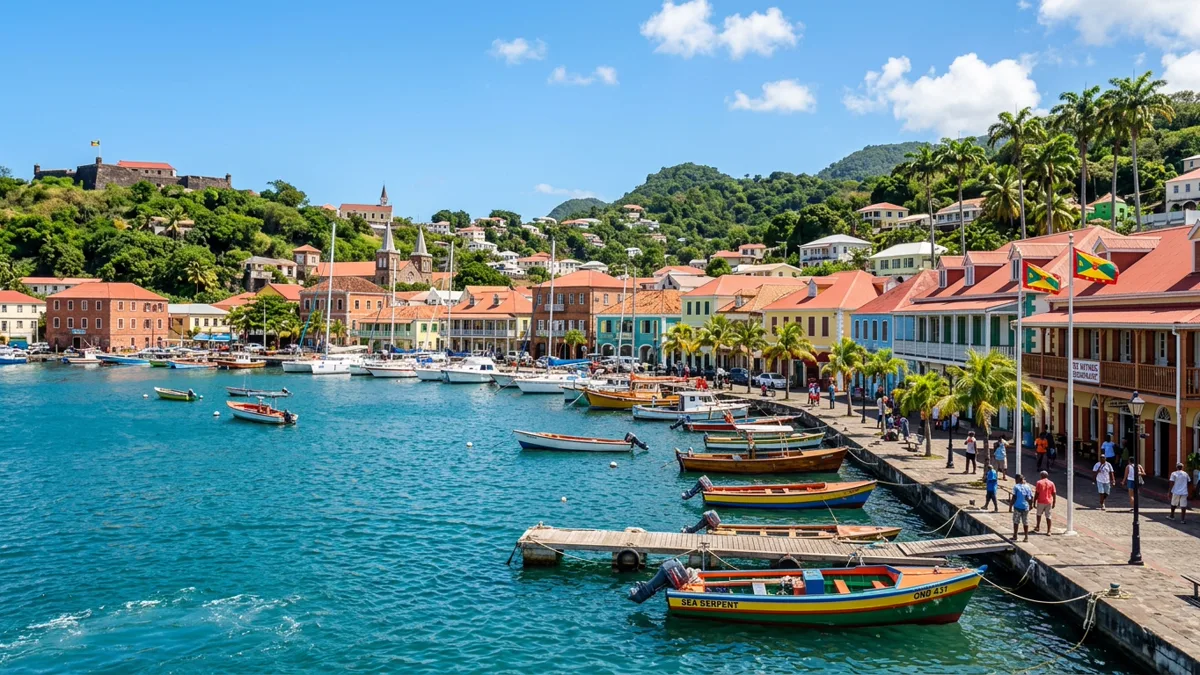
How Hurricane Season Affects Caribbean Cruise Routes and Schedules
The Atlantic hurricane season officially runs from June 1 through November 30, with statistical peak activity occurring from late August through October. Modern cruise ships utilize sophisticated weather radar and satellite tracking to navigate around developing storms, rerouting to alternate ports when severe weather threatens scheduled itineraries.
Traveling during a hurricane season cruise requires flexibility rather than fear. Cruise lines prioritize passenger and vessel safety above all schedule commitments. If a tropical depression, storm, or hurricane develops along a ship planned route, the captain and fleet operations center will alter the itinerary, swap port days, or change from an Eastern Caribbean route to a Western route to stay hundreds of miles away from storm centers per official National Hurricane Center marine forecasts.
Late summer and autumn departures offer substantial advantages for flexible travelers. Fares for September and October sailings are often 40 to 60 percent lower than winter peak rates, shipboard amenities are less crowded, and sea temperatures are at their warmest, averaging 84 degrees Fahrenheit. The realistic trade-off is the possibility of changed ports of call, occasional overcast sea days, or brief tropical rain squalls.
Why Are Southern Caribbean Islands Less Often Affected by Tropical Storms?
Southern Caribbean islands, specifically Aruba, Bonaire, and Curacao (the ABC Islands), are located far south near the South American coastline outside the primary Atlantic hurricane track. These southern destinations experience exceptionally dry climates and minimal storm disruption year-round.
Most Atlantic tropical cyclones form in the mid-Atlantic and curve northwest toward the Leeward Islands, the Bahamas, and the Gulf of Mexico. Because the ABC Islands sit at approximately 12 degrees north latitude, tropical storms rarely track through their coastal waters. Aruba and Curacao receive less than 20 inches of rain annually, featuring arid, desert-like landscapes with constant trade wind breezes.
For cruisers who want to sail during August, September, or October while minimizing the probability of itinerary deviations, Southern Caribbean itineraries departing from San Juan, Puerto Rico, or Barbados offer the most dependable weather profiles in the entire tropical basin.
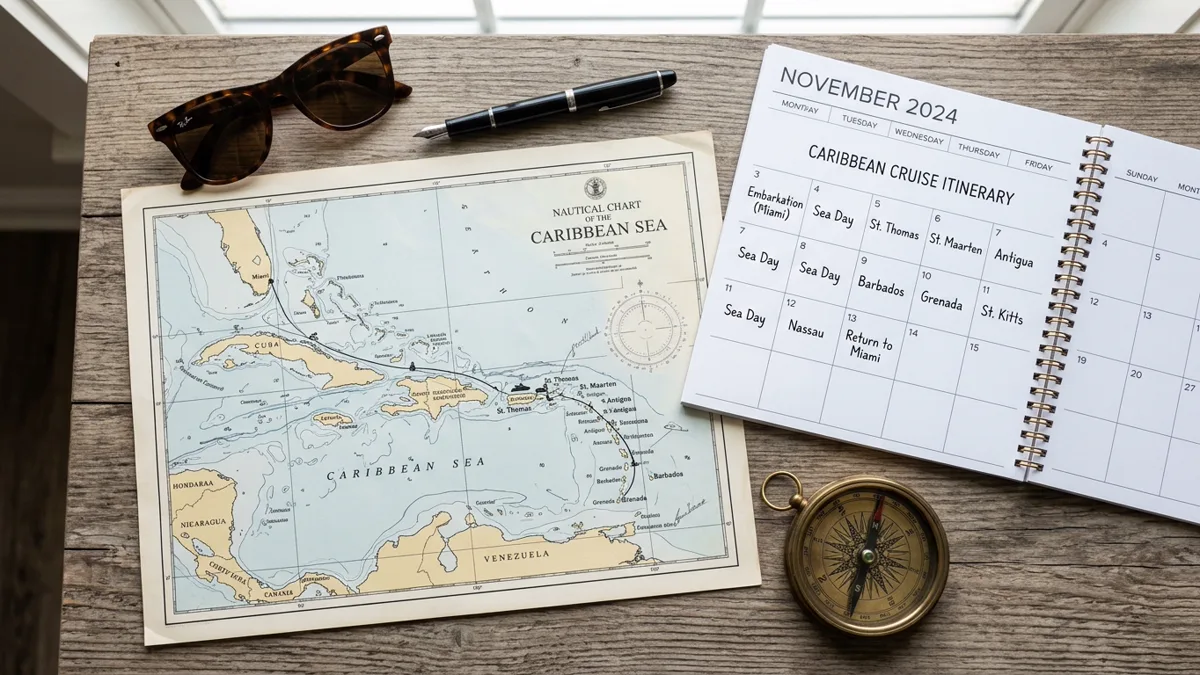
Fares and Port Crowds Across Seasonal Travel Periods
Cruise pricing and passenger volume follow school holiday schedules rather than pure weather patterns. Peak demand occurs during Christmas, New Year, March spring break, and mid-summer, while shoulder seasons in May, September, and November offer exceptional value and quieter port experiences.
The late spring shoulder season in May provides an ideal balance for adult travelers. Weather remains dry and warm, winter crowds have departed, summer family travelers have not yet arrived, and cruise lines offer competitive promotional rates. Similarly, early December between Thanksgiving and Christmas represents one of the quietest and most cost-effective sailing windows of the entire calendar year.
Understanding caribbean cruise weather across different quarters allows you to make deliberate choices about crowd density, cabin pricing, and excursion comfort. Choosing early December or late April delivers peak-quality weather at shoulder-season pricing.
Best Time to Cruise Caribbean by Month and Region
Evaluating the best time to cruise caribbean waters requires comparing temperature, rainfall likelihood, and crowd intensity across all twelve months. The reference table below outlines conditions across the calendar year.
| Month | Average Temp (°F) | Rainfall Risk | Crowd Level | Key Trade-Off |
|---|---|---|---|---|
| January | 80°F / 70°F | Low | High | Peak winter demand; higher stateroom fares |
| February | 81°F / 71°F | Low | High | Ideal dry weather; busy port schedules |
| March | 82°F / 72°F | Low | Very High | Spring break volume; lively atmosphere |
| April | 84°F / 74°F | Low to Moderate | Moderate | Warm seas; thinning crowds after Easter |
| May | 86°F / 76°F | Moderate | Low | Excellent value window; rising humidity |
| June | 87°F / 78°F | Moderate | High | Start of hurricane season; summer family peak |
| July | 88°F / 79°F | Moderate | High | Warmest ocean temperatures; frequent brief showers |
| August | 89°F / 79°F | Moderate to High | Moderate | Rising storm activity; discounted late-summer fares |
| September | 88°F / 78°F | High | Very Low | Lowest annual fares; potential route adjustments |
| October | 87°F / 77°F | High | Low | Warm water and low crowds; rain risk remains |
| November | 84°F / 75°F | Moderate | Moderate | Storm season tapering off; pleasant breezes |
| December | 81°F / 72°F | Low | High | Early month value; major holiday price surge |
Source: National Oceanic and Atmospheric Administration (NOAA) National Hurricane Center and Caribbean climatological records, checked October 2026.
Common Misconceptions About Caribbean Sailing Weather
Misconceptions regarding tropical seasons often lead travelers to avoid excellent sailing opportunities. The table below addresses common weather assumptions with operational realities.
| Misconception | Operational Reality |
|---|---|
| Cruising in hurricane season means you will sail through a dangerous storm. | Cruise ships never intentionally sail into severe storms. Captains monitor satellite radar to steer hundreds of miles around weather systems or divert to sunny alternative ports. |
| Rainy season means it rains all day long across every island. | Tropical rainfall typically occurs as brief 20-minute afternoon squalls that pass quickly, leaving bright sunshine for the remainder of the port day. |
| Winter water temperatures are too cold for swimming in the Caribbean. | Caribbean sea surface temperatures remain between 78 and 80 degrees Fahrenheit in January and February, providing comfortable conditions for snorkeling and swimming. |
| All Caribbean regions experience identical weather at the same time. | The Southern Caribbean (Aruba, Curacao) is significantly drier and less storm-prone than the Western or Eastern Caribbean basins during late summer and autumn. |
Common Inquiries on Caribbean Sailings
What happens if a hurricane threatens my scheduled cruise itinerary?
If a storm approaches your planned route, the cruise line will adjust the itinerary to avoid rough seas. This may include visiting ports in reverse order, substituting an Eastern Caribbean port for a Western one, or spending an extra sea day in calm waters away from the weather system.
Which Caribbean cruise route has the smoothest sea conditions?
Western Caribbean routes (Cozumel, Grand Cayman, Jamaica) and Southern Caribbean routes (Aruba, Curacao) generally experience calmer sea conditions than Eastern Atlantic routes, which face open ocean swells directly from the North Atlantic.
Is May a good month to cruise the Caribbean?
Yes, May is widely considered one of the best months for value and weather. Hurricane season has not yet begun, ocean waters are warming up, winter crowds have left, and cruise lines offer attractive shoulder-season pricing.
How far in advance should I book for a Christmas or New Year cruise?
Holiday sailings are the most popular departures of the year and often sell out 9 to 12 months in advance. Booking early secures preferred cabin categories before holiday surcharges increase.
Do cruise lines compensate passengers for skipped or changed ports?
Standard cruise passenger contracts state that ports of call remain subject to weather conditions. If a port is skipped due to weather or sea conditions, the cruise line refunds port taxes and pre-paid shore excursions for that destination, but does not provide ticket fare refunds.
How we researched this: Seasons, document rules and policies are checked against cruise lines and government agencies own pages, the only versions that stay current. An AI model helped assemble the draft, and the editor rebuilt it into a practical plan.
Sources: National Oceanic and Atmospheric Administration (NOAA) National Hurricane Center, Caribbean Climatology Data, Cruise Lines International Association (CLIA).