
Boarding pass: The best time to cruise Alaska is between late May and early September, with June and July offering the warmest weather, longest daylight, and peak wildlife activity, while May and September provide lower fares and fewer crowds.
Planning an Alaska voyage requires understanding how rapidly maritime conditions change along the Inside Passage and across the Gulf of Alaska. The northern cruising calendar spans just five months each year, yet each individual month delivers a dramatically different landscape. Early season travelers encounter snow-draped mountain peaks and lower passenger volumes, while midsummer sailings feature lush temperate rainforests, active whale pods, and extended daylight hours that stretch past midnight.
Weather patterns in Southeast Alaska are shaped by maritime air masses colliding with coastal mountain ranges. Port communities such as Ketchikan, Juneau, and Skagway experience noticeable shifts in precipitation, ambient temperature, and wildlife migration between late spring and early autumn. Selecting the optimal departure date depends on whether your priority is spotting grizzly bears during salmon runs, witnessing tidewater glacier calving, securing lower stateroom rates, or avoiding summer school holiday crowds. Review our when to go guide and check our cruise packing list to prepare for northern coastal weather.
- May (Spring Awakening): Crisp air, snow-capped peaks, lowest seasonal rainfall, and lower cruise fares with moderate passenger volumes.
- June (Summer Solstice): Peak daylight exceeding 18 hours daily, blooming coastal flora, comfortable temperatures, and active marine wildlife.
- July (Warm Midsummer Peak): Highest average temperatures, peak humpback whale activity, excellent glacier viewing, and peak family travel numbers.
- August (Salmon Runs and Calving): Prolific salmon migration, prime brown bear viewing near streams, active glacial calving, and increasing rainfall.
- September (Autumn Finale): Stunning gold tundra foliage, lowest stateroom fares, thinning crowds, dusting of fresh mountain snow, and early aurora opportunities.
How Does Alaska Cruise Weather Change From May to September?
Alaska cruise weather transitions from cool, relatively dry spring conditions in May to warm, pleasant midsummer days in June and July, followed by wetter autumn patterns in August and September. Coastal temperatures across Southeast Alaska typically range from 50 to 68 degrees Fahrenheit during the daytime.
According to multi-decade climate data published by the National Weather Service in their regional marine climate records, May is historically the driest month of the entire maritime cruise season. Coastal ports receive an average of 3 to 4 inches of rain in May, compared to 7 to 9 inches in September. Ketchikan, situated within the Tongass National Forest, receives substantial annual precipitation, but early season departures encounter fewer prolonged storm systems than late summer sailings.
Midsummer brings milder conditions with daytime highs frequently reaching 65 to 70 degrees Fahrenheit in sheltered fjords. June features the longest daylight of the year, providing up to 19 hours of functional daylight in Skagway and Juneau near the summer solstice. By mid-August, moist low-pressure systems over the Gulf of Alaska generate frequent coastal drizzle and mist, often creating atmospheric fog over fjord walls while keeping daytime temperatures around 55 degrees Fahrenheit.
- May temperatures: Daytime highs of 54 to 58 degrees Fahrenheit with crisp, clear morning air.
- June daylight: Exceptional daylight with 18 to 19 hours of sunlight for scenic deck viewing.
- July warmth: Peak warmth averaging 64 to 68 degrees Fahrenheit in port towns.
- August rainfall: Moderate to heavy precipitation with lush temperate green landscapes.
- September cooling: Daytime temperatures settling between 50 and 55 degrees Fahrenheit with brisk coastal breezes.
When Is the Best Time to See Whales, Bears, and Salmon in Alaska?
The optimal window for viewing whales, bears, and salmon spans from late June through August. Humpback whales feed in Southeast Alaska waters throughout the entire summer, while coastal brown bears concentrate along streams during the July and August salmon spawning runs.
Wildlife migration patterns follow natural seasonal rhythms documented by the Alaska Department of Fish and Game in their wildlife migration schedules. Humpback whales migrate north from winter breeding grounds in Hawaii and Mexico, arriving in Icy Strait and Frederick Sound by late April and remaining through September. Midsummer offers the greatest frequency of bubble-net feeding behaviors, where pods cooperate to corral herring near the water surface.
For cruisers hoping to see coastal brown and black bears, excursion timing is critical. In May and June, bears forage for sedges and coastal clams in tidal meadows. Starting in mid-July, millions of pink, chum, and sockeye salmon push upstream into coastal rivers. This annual salmon run brings bears directly to waterfall pools and shallow creek beds in destinations accessible from Ketchikan, Juneau, and Icy Strait Point. Bald eagles gather in significant concentrations near river estuaries throughout the entire cruise window.
Which Months Offer the Best Glacier Viewing and Water Conditions?
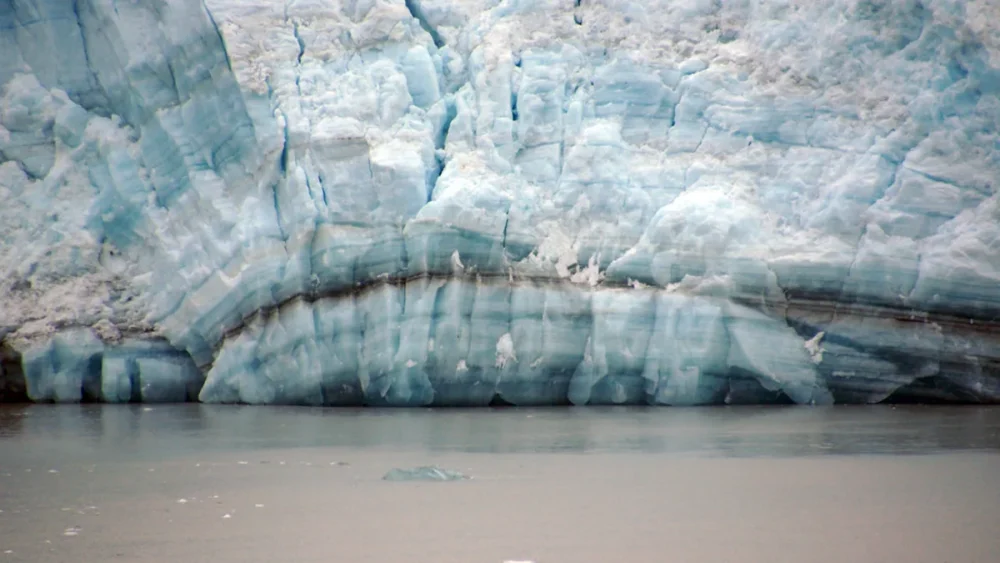
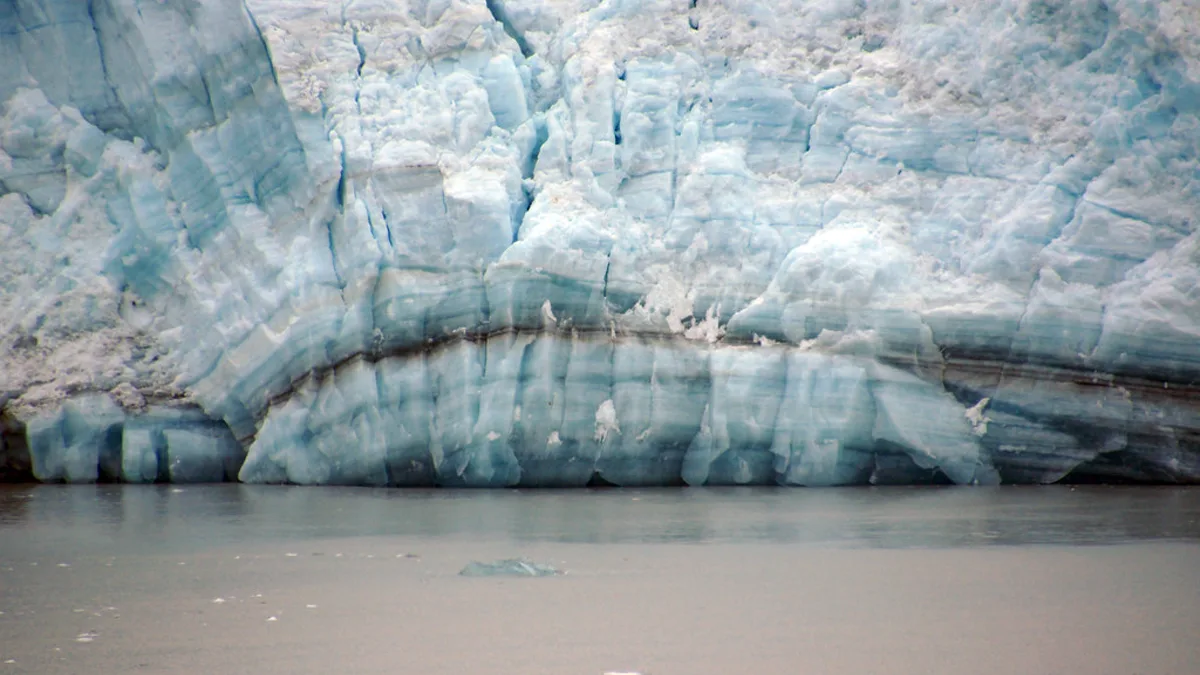
Glacier viewing is dependable throughout the entire May to September season, but July and August produce the most frequent tidewater calving events due to warmer summer air and water temperatures. May and June provide clearer skies and sharper mountain visibility.
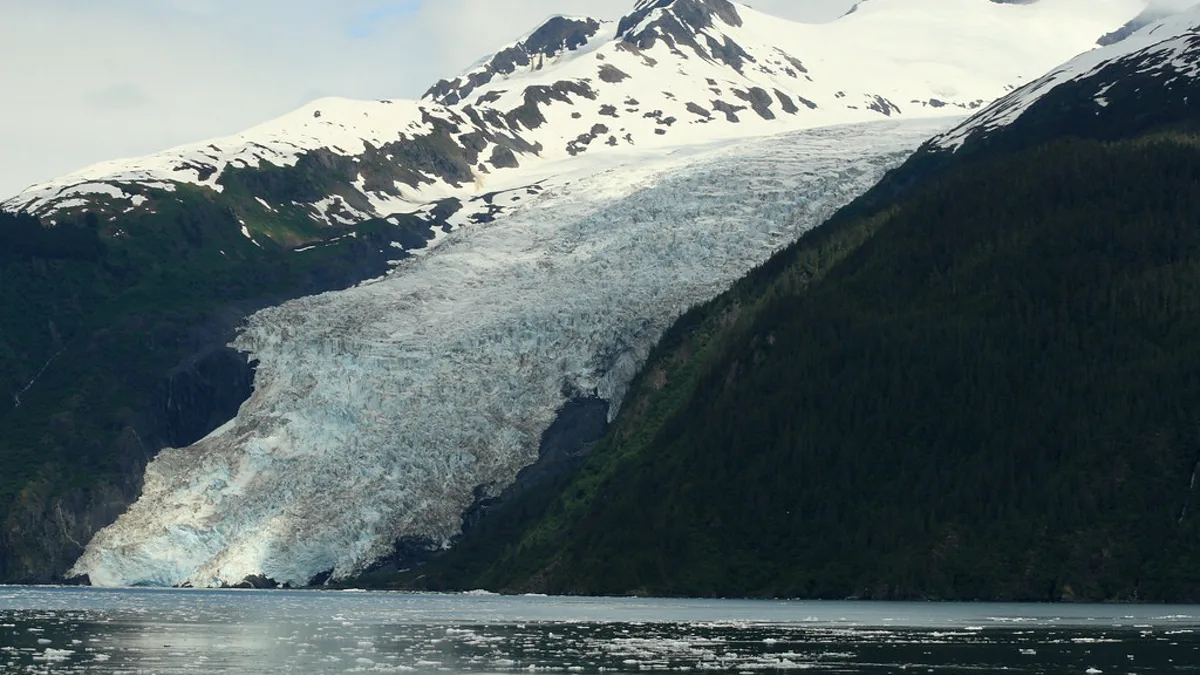
Major glacier destinations including Glacier Bay National Park, Hubbard Glacier, and Tracy Arm Fjord present distinct seasonal visual profiles. The National Park Service strictly regulates motorized vessel entries under their glacier entry guidelines to preserve wilderness quiet and protect marine mammals during harbor seal pupping season in May and June. Early season sailings feature immense walls of blue ice set against pristine snow-covered alpine ridges.
As summer temperatures warm the surrounding seawater in July and August, internal thermal expansion increases the rate of ice chunks breaking away from glacier faces into the sea. Fjord waters in Tracy Arm and Endicott Arm may experience higher densities of floating brash ice in early spring, occasionally requiring captains to adjust approach distances to ensure navigation safety. By midsummer, channels are generally clear of dense ice fields, allowing vessels close, safe approaches to terminal faces.
Comparing Cruise Fares, Crowds, and Daylight by Season
Cruise fares and passenger density peak between late June and early August, coinciding with North American school vacation calendars. Shoulder season sailings in May and September offer stateroom fare discounts of 20 to 40 percent alongside quieter shore excursion venues.
Cruising during shoulder months appeals to adult travelers and photographers seeking tranquil wilderness atmospheres. May sailings feature uncrowded port docks in Ketchikan and Skagway, allowing travelers to explore historic boardwalks without congestion. September departures offer similar crowd reductions along with dramatic autumn tundra foliage across mountain passes. However, September also features shorter daylight hours and higher probabilities of autumn rain showers.
Midsummer sailings demand early booking commitments. Demand for balcony cabins and glacier-view suites on major cruise lines regularly fills inventory six to nine months ahead of summer departures. Comparing your regional preferences with our analysis of tropical sailing seasons demonstrates how northern seasonal windows differ from tropical year-round operations.
Best Time to Cruise Alaska Month-by-Month Guide
Determining the best time to cruise alaska requires balancing weather dependability, wildlife viewing priorities, daylight availability, and vacation budget. The reference guide below compares key seasonal indicators across all five cruising months.
| Month | Avg Temp (°F) | Daylight Hours | Wildlife Highlights | Key Trade-Off |
|---|---|---|---|---|
| May | 54°F / 39°F | 16 to 17 hrs | Migrating whales, sea otters, dall sheep | Cooler morning air; some high alpine trails snowbound |
| June | 62°F / 47°F | 18 to 19 hrs | Active whale pods, harbor seal pups, eagles | Increasing passenger crowds; peak stateroom pricing |
| July | 65°F / 51°F | 17 to 18 hrs | Salmon runs begin, bears near streams, whales | Warmest weather brings highest annual passenger volumes |
| August | 63°F / 49°F | 14 to 16 hrs | Peak bear viewing, active glacier calving | Higher precipitation in coastal rainforest ports |
| September | 56°F / 42°F | 12 to 14 hrs | Fall foliage, late whale feeding, early aurora | Wetter weather patterns; end-of-season retail closures |
Common Misconceptions About Alaska Cruise Weather
Maritime travel in the northern Pacific is often misunderstood by first-time cruisers. Examining verifiable facts helps travelers set realistic expectations and pack appropriately for northern waters.
| Myth | Fact |
|---|---|
| Alaska cruises are freezing cold every summer day. | Summer daytime temperatures in Southeast Alaska ports regularly reach 65 to 72 degrees Fahrenheit during sunny afternoons. |
| You can only view tidewater glaciers during midsummer. | Glaciers remain fully visible from May through September, with spring offering crisper mountain horizons and less atmospheric haze. |
| Rain in Southeast Alaska ruins port excursions. | Rain in the Tongass National Forest is typically misty coastal drizzle that enhances emerald forest colors and waterfall volumes. |
| Whales are only visible during one specific month. | Humpback whales and orcas reside in Southeast Alaska waters throughout the entire May to September cruise window. |
Deck-chair questions
What is the overall best month to cruise to Alaska?
June and July are widely considered the best overall months due to mild temperatures averaging 65 degrees Fahrenheit, extended daylight exceeding 18 hours, and peak marine wildlife activity across the Inside Passage.
Is May a good month for an Alaska cruise?
Yes, May offers several distinct advantages including the lowest average monthly rainfall of the season, uncrowded port towns, lower stateroom fares, and dramatic snow-capped coastal mountain scenery.
When is the best time to see bears on an Alaska cruise?
Late July through August is the best window for bear viewing excursions because returning salmon runs draw black and brown bears directly to shallow coastal rivers and waterfall streams.
Can you see the Northern Lights on an Alaska cruise?
Northern Lights viewings are rare during early and midsummer due to prolonged daylight, but late September sailings offer darker night skies with occasional opportunities to spot auroral activity.
How much does it rain during an Alaska cruise?
Precipitation varies significantly by month and port. May and June average 3 to 4 inches of rain, while August and September receive 7 to 9 inches as autumn storm systems move into Southeast Alaska.
How we researched this guide: Our editorial team analyzed multi-decade climate archives from the National Weather Service, wildlife migration schedules from the Alaska Department of Fish and Game, and vessel entry regulations from the National Park Service.
Sources: National Weather Service Juneau Forecast Office, Alaska Department of Fish and Game, National Park Service Glacier Bay National Park and Preserve, Cruise Lines International Association.