
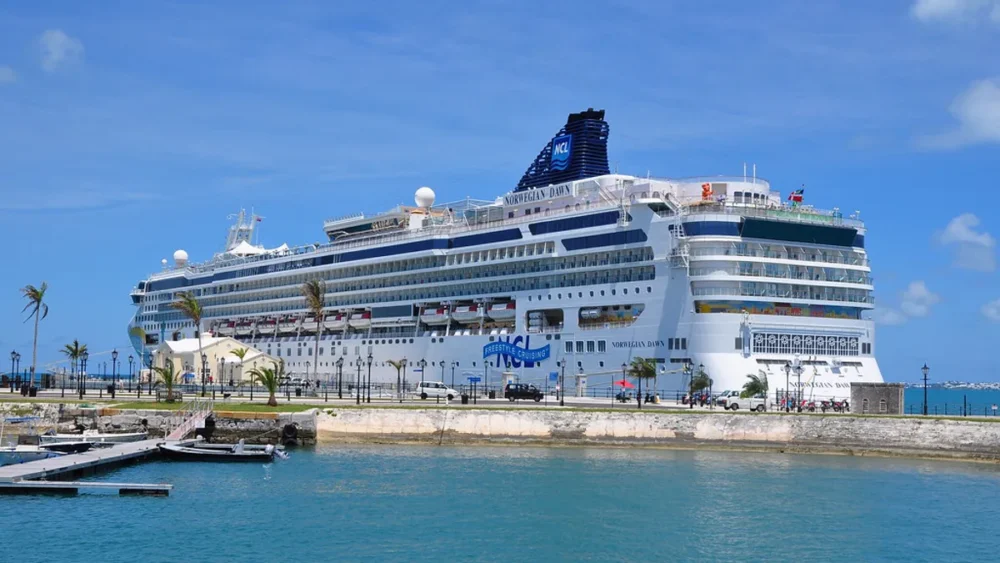
Boarding pass: A Bermuda cruise features multi-day port stays at the historic Royal Naval Dockyard, allowing passengers to treat the ship as a floating hotel while exploring pink sand beaches, historic colonial towns, and calm North Atlantic waters between April and November.
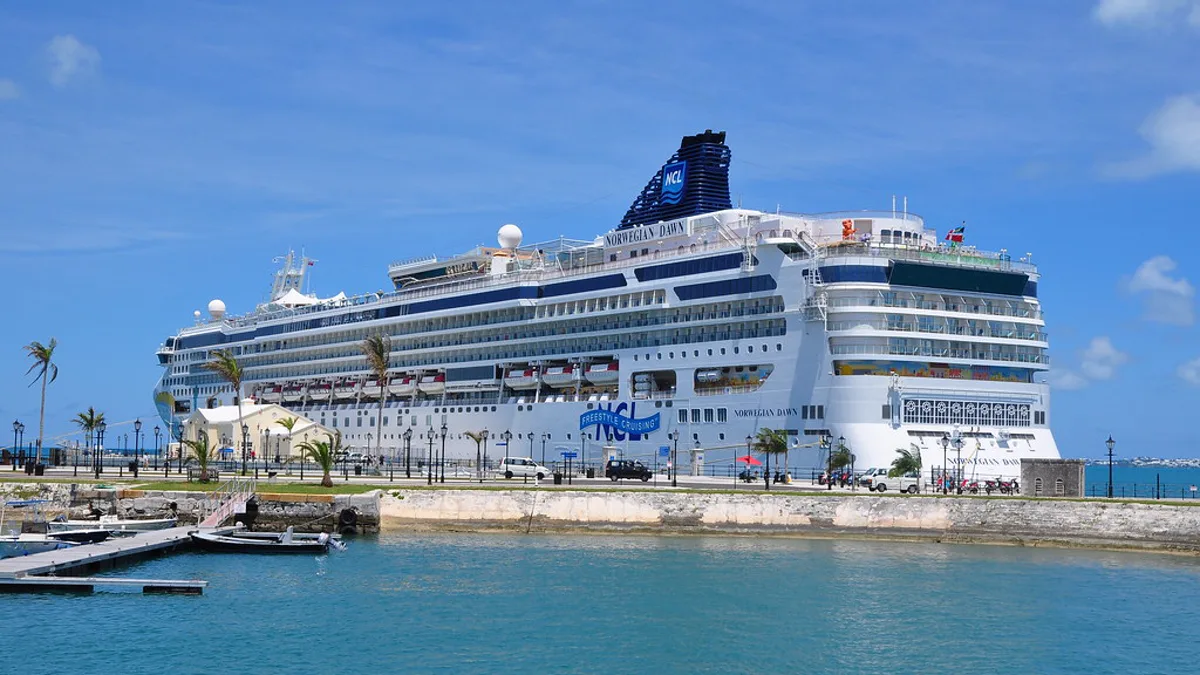
Positioned 650 miles east of Cape Hatteras, North Carolina, the isolated island territory of Bermuda is one of the most distinctive cruise destinations in the Atlantic Ocean. Unlike traditional Caribbean itineraries that visit a different port of call every single day, most voyages to Bermuda feature an extended overnight stay, with vessels remaining docked for two or three consecutive nights. This multi-night schedule allows travelers to explore island culture, dine ashore at local seafood taverns, and return to the ship at their own leisure.
Because Bermuda is located in the North Atlantic rather than the tropical Caribbean Sea, its sailing calendar operates on a seasonal schedule from April through early November. Planning an ideal voyage involves understanding ocean crossing conditions across the Gulf Stream, seasonal water temperatures along pink sand beaches, and local ferry transit systems from the primary cruise berth. Explore our when to go guide, review our advice on managing open ocean motion, and compare seasonal weather in our tropical cruise timing guide.
- April to May (Spring Opening): Mild temperatures in the low 70s, blooming island flora, uncrowded sightseeing, and comfortable golfing conditions.
- June (Early Summer Warmth): Ocean temperatures warming into the high 70s, calm Atlantic waters, and extended daylight for beach days.
- July to August (Peak Summer Season): Warmest ocean waters reaching 84 degrees, lively pink sand beach life, and peak family passenger volume.
- September to October (Autumn Shoulder): Warm swimming waters, lower stateroom fares, thinning crowds, and seasonal Atlantic weather monitoring.
- November (Late Season Finale): Brisk morning breezes, excellent cultural touring in historic St. George, and final seasonal repositioning sailings.
When Is the Best Time of Year for a Bermuda Cruise?
The optimal window for a cruise to Bermuda spans from late May through September. During these summer months, ocean water temperatures range from 78 to 84 degrees Fahrenheit, daytime air temperatures average 80 to 85 degrees, and island ferry networks operate at full seasonal frequency.
According to tourism records from the Bermuda Tourism Authority in their official territorial tourism archives, the sailing season begins in April and concludes in early November. Spring departures in April and May offer comfortable daytime temperatures in the low 70s, making it ideal for walking historic colonial streets in St. George, exploring the subterranean Crystal Caves, and playing championship golf courses. However, ocean swimming during early spring can feel brisk as coastal waters hover around 70 degrees.
By late June, summer heat warms the island coastal bays, creating ideal conditions for swimming and snorkeling at famous pink sand destinations like Horseshoe Bay and Church Bay. Autumn sailings in September and October maintain warm ocean temperatures alongside reduced cruise fares, though travelers should monitor Atlantic tropical forecasts during late summer.
- Spring season (April-May): Highs of 70°F to 74°F; ideal for sightseeing, golf, and walking tours.
- Summer peak (June-August): Highs of 80°F to 85°F; peak pink sand beach and snorkeling season.
- Autumn value (September-October): Highs of 76°F to 80°F; warm ocean water with lower cruise rates.
- Departure ports: Convenient departures from New York, New Jersey, Boston, and Baltimore.
How Do Multi-Day Dockyard Stays Work in Bermuda?
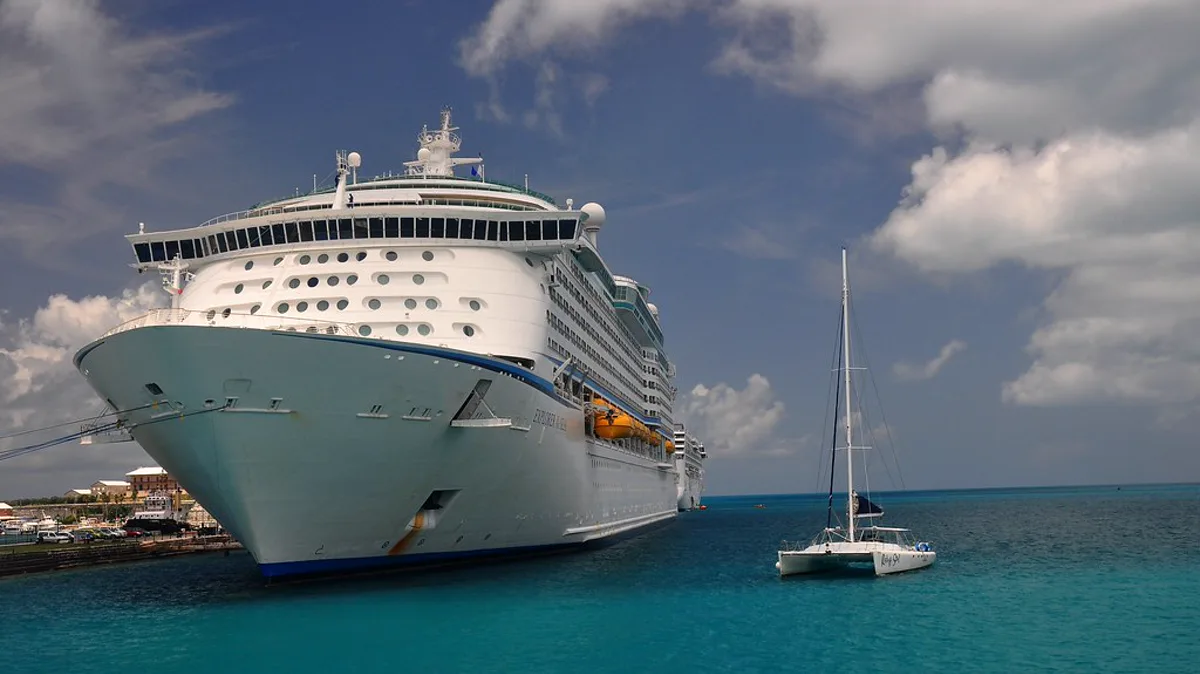
Unlike most cruise itineraries where ships visit a port for just eight hours, voyages to Bermuda typically dock for two or three consecutive days at the Royal Naval Dockyard. The ship serves as your floating luxury hotel, allowing you to come and go at any hour.
Most modern ocean liners dock at King’s Wharf or Heritage Wharf, located at the western tip of the island in Sandys Parish. Because the vessel remains tied up overnight, you are not subject to strict early evening all-aboard curfews. You can enjoy an evening dinner ashore at historic dockyard pubs, take a twilight catamaran sunset sail, or experience local nightlife before returning to your comfortable stateroom cabin.
Onboard ship services remain fully operational while in port. Complimentary dining rooms, buffet stations, evening stage entertainment, and pool deck amenities continue on standard schedules, providing a seamless combination of resort comfort and destination exploration.
How Do Ships Navigate Open-Ocean Atlantic Sea Days and Swells?
Modern cruise ships navigate open North Atlantic sea crossings by utilizing advanced hydrodynamic stabilizer fins, deep-draft hull engineering, and predictive meteorological routing systems that smooth out rolling wave motion across deep ocean waters and Gulf Stream currents.
Departing from New York, Bayonne, Boston, or Baltimore requires one to two full sea days before arriving at the Royal Naval Dockyard. As the vessel crosses from the continental shelf into the deep Atlantic and traverses the Gulf Stream, ships may encounter moderate open-ocean rolling swells. Modern passenger vessels utilize hydrodynamic active stabilizer fins to smooth out wave motion, as outlined in our guide on preventing motion discomfort at sea.
Packing motion sickness remedies, choosing a midship stateroom on a lower passenger deck, and spending sea days enjoying open promenade views ensures a comfortable, enjoyable ocean transit.
What Public Transit Options Connect Bermuda Ports and Beaches?
Bermuda provides a clean, well-regulated public transportation network consisting of high-speed passenger catamarans, scheduled pink public buses, and dedicated beach shuttles that easily connect the Royal Naval Dockyard to all major island parishes without requiring rental vehicles.
From the Royal Naval Dockyard ferry terminal, dedicated fast ferries transport cruise passengers directly across Great Sound to downtown Hamilton in twenty minutes, or to historic St. George in forty-five minutes. Transportation passes (available for one, two, or three consecutive days) provide unlimited rides on all public ferries and buses.
To reach famous South Shore pink sand beaches like Horseshoe Bay, private shuttle vans and public buses operate directly from the cruise pier terminal gates, offering convenient transfers with return pickups scheduled throughout the entire afternoon.
Bermuda Cruise Season and Climate Guide
Comparing seasonal indicators helps travelers choose the optimal month for their bermuda cruise. The reference guide below compares air temperatures, ocean warmth, and travel profiles across the cruising season.
| Month | Avg Air High / Low (°F) | Water Temp (°F) | Sea Crossing Profile | Key Vacation Focus |
|---|---|---|---|---|
| April | 72°F / 63°F | 68°F | Moderate spring swells | Season opening; historic walking tours and golf |
| May | 76°F / 67°F | 72°F | Smooth transitional seas | Pleasant garden blooms, Crystal Caves, low crowds |
| June | 81°F / 73°F | 78°F | Calm summer waters | Excellent pink sand swimming, warm long days |
| July | 85°F / 77°F | 82°F | Calm Atlantic navigation | Peak beach weather, snorkeling, family season |
| August | 86°F / 78°F | 84°F | Warm open ocean | Warmest ocean water of the year, Cup Match festival |
| September | 84°F / 75°F | 82°F | Periodic tropical swells | Warm swimming with lower shoulder fares |
| October | 79°F / 70°F | 77°F | Breezy autumn conditions | Uncrowded sightseeing, pleasant coastal dining |
Common Misconceptions About Bermuda Cruises
Bermuda unique geography and culture distinguish it from typical Caribbean ports. Reviewing verifiable facts clarifies common travel misconceptions.
| Myth | Fact |
|---|---|
| Bermuda is a tropical island located in the Caribbean Sea. | Bermuda is located in the North Atlantic Ocean, 650 miles east of North Carolina. |
| Bermuda cruises move to different port docks each day. | Most ships dock at the Royal Naval Dockyard for two or three consecutive nights. |
| You must return to the ship by 5:00 PM every evening in Bermuda. | Because the ship stays overnight, you can explore restaurants and events ashore late into the night. |
| You can easily rent a standard full-size car to explore Bermuda. | Standard rental cars are prohibited; tourists use fast ferries, public buses, or two-person electric micro-cars. |
Deck-chair questions
Do I need a passport to cruise to Bermuda?
While closed-loop cruises departing from and returning to the same US port may permit official birth certificates and government ID, a valid passport book is strongly recommended for all international maritime travel.
Why are Bermuda beaches pink?
Bermuda famous pink sands get their delicate hue from red microscopic organisms called foraminifera that grow on surrounding coral reefs. When they die, their shells mix with white crushed coral and sand.
How far is Horseshoe Bay from the cruise dock?
Horseshoe Bay is approximately 25 minutes from the Royal Naval Dockyard by shared beach shuttle van or public bus along the picturesque South Shore coastal road.
Can you walk from the cruise ship into town?
The cruise pier at the Royal Naval Dockyard features shops, historic maritime museums, and cafes. Reaching the main capital of Hamilton or historic St. George requires a scenic 20 to 45 minute fast ferry ride.
What currency is used in Bermuda?
The official currency is the Bermuda Dollar (BMD), which is pegged one-to-one with the US Dollar. US dollars and major credit cards are universally accepted across the entire island.
How we researched this guide: Our maritime editorial team analyzed harbor logs from the Bermuda Department of Marine & Ports, meteorological climate archives, and ferry transit schedules across Great Sound.
Sources: Bermuda Department of Marine and Ports Services, Bermuda Tourism Authority, National Oceanic and Atmospheric Administration National Data Buoy Center.