
Boarding pass: The best time to visit Bahamas is from mid-December through April for mild temperatures averaging 78 degrees Fahrenheit and minimal rainfall, while May and November offer warm swimming waters and lower accommodation rates before summer storm season.
The Commonwealth of the Bahamas consists of more than seven hundred islands and cays scattered across one hundred thousand square miles of the western Atlantic Ocean. Located just fifty miles off the coast of Florida, the archipelago is renowned for its shallow turquoise waters, pristine pink sand shorelines, and colorful marine life. Because the island chain is located in the open Atlantic rather than the enclosed Caribbean Sea, its climate patterns reflect distinct subtropical seasonal shifts.
Planning a trip to Nassau, Grand Bahama, or the serene Out Islands requires evaluating trade-offs between winter dry conditions, spring break crowd levels, summer water temperatures, and late-summer Atlantic tropical storm probabilities. Understanding these climate drivers allows travelers to choose the ideal departure date. Explore our when to go section, compare regional weather with our island cruise timing guide, and check our beach vacation packing checklist.
- Mid-December to February (Winter Dry Season): Warm sunny days in the high 70s, low humidity, crisp evening breezes, and peak holiday celebrations.
- March to April (Spring High Season): Warmer ocean temperatures, excellent beach weather, lively spring vacation crowds, and dry skies.
- May (Spring Shoulder Window): Rising humidity, warm 80-degree ocean swimming, lower hotel and cruise fares, and moderate rainfall.
- June to August (Summer Family Season): Hottest air and water temperatures, frequent brief afternoon tropical showers, and active marine sports.
- September to November (Autumn Value Season): Peak of the Atlantic hurricane season, warmest water of the year, and lowest annual travel costs.
Why Is Mid-December to April the Peak Travel Window?
Mid-December through April represents the traditional dry season across the Bahamas. During these winter and early spring months, trade winds keep humidity low, daytime highs average 76 to 82 degrees Fahrenheit, and precipitation drops to its annual low of under two inches monthly.
According to historical records from the Bahamas Department of Meteorology, winter months offer the most dependable sunshine of the entire year. Continental cold fronts moving off the North American mainland occasionally bring brisk evening temperatures in the mid-60s to northern islands like Grand Bahama and Abaco, creating comfortable sleeping conditions without heavy air conditioning.
The trade-off during this winter window is higher demand. Resort occupancy rates and cruise arrivals peak around Christmas, New Year, and March spring break. Reserving staterooms, beachfront accommodations, and popular boat charters several months in advance ensures preferred availability.
- Average winter daytime highs: 76 to 80 degrees Fahrenheit across major islands.
- Average winter night lows: 65 to 68 degrees Fahrenheit with refreshing trade breezes.
- Rainfall frequency: Rare showers that typically clear within thirty minutes.
- Peak crowd periods: Christmas week, New Year, and March college spring break.
How Does Atlantic Hurricane Season Affect Bahamas Travel?
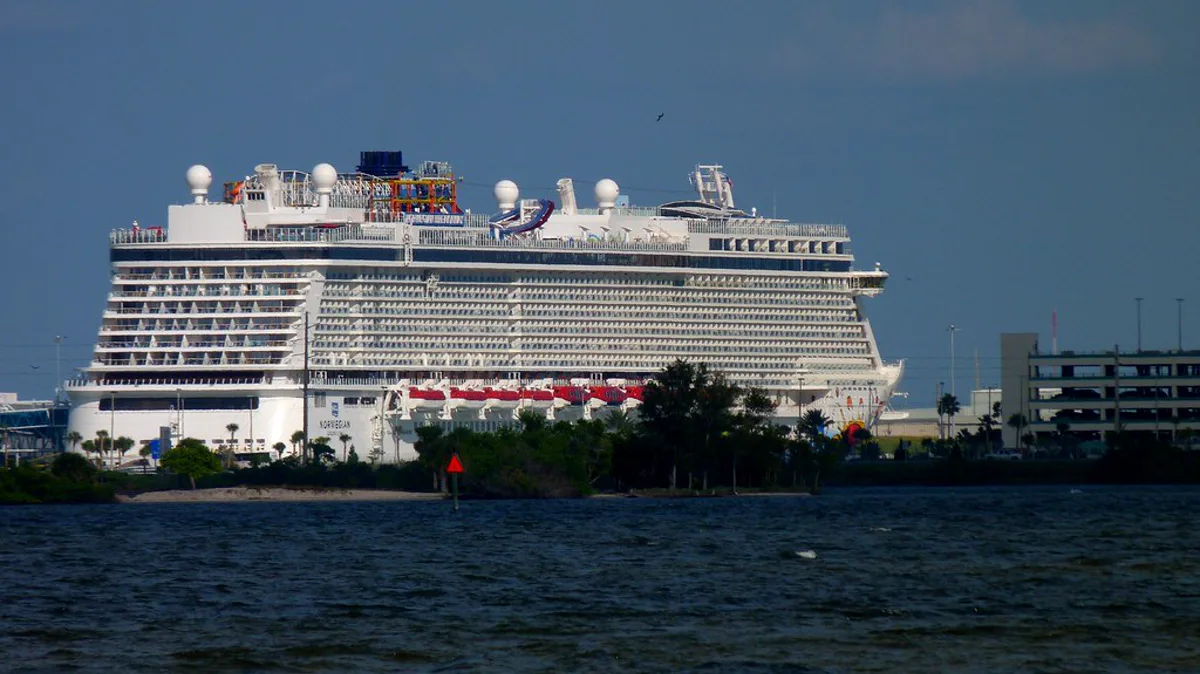
The Atlantic hurricane season officially spans from June 1 through November 30, with historical storm activity concentrated between mid-August and late October across the archipelago. Passing low-pressure systems occasionally bring rain showers and ocean swells, while advance satellite monitoring ensures cruise ships safely reroute around active weather paths.
Official storm tracking archives from the National Hurricane Center in their Atlantic tropical cyclone historical database indicate that late summer ocean heat creates favorable conditions for tropical waves developing in the eastern Atlantic. While major storms affect the archipelago only occasionally, passing low-pressure systems can bring elevated ocean swells and overcast skies. Modern satellite forecasting provides several days of advance warning, allowing cruise lines to adjust routes and resorts to implement storm safety protocols.
Traveling during September and October offers significant financial advantages. Cruise fares and luxury resort rates are often discounted by 30 to 50 percent compared to peak winter pricing, and popular snorkeling reefs remain uncrowded. Flexible travelers who purchase comprehensive travel protection can enjoy exceptional value during early autumn.
What Ocean Swimming Temperatures Can You Expect Year-Round?
Ocean water temperatures across the Bahamas range from a refreshing 74 to 76 degrees Fahrenheit in midwinter up to a warm 84 to 86 degrees Fahrenheit in late summer. Winter waters remain comfortable for swimming, while spring and summer provide ideal conditions for snorkeling and diving.
Because the northern Bahamas islands sit north of the Tropic of Cancer in the open Atlantic Ocean, shallow coastal waters cool down during midwinter cold snaps. While most adult swimmers find 75-degree water invigorating for swimming and snorkeling, young children may prefer heated resort pools on breezy winter mornings. In contrast, southern islands like the Exumas maintain slightly warmer ocean temperatures year-round.
By late April and May, coastal water temperatures rise rapidly into the low 80s. Snorkelers and scuba divers exploring shallow coral reefs and blue holes enjoy crystal-clear underwater visibility exceeding one hundred feet during calm late spring mornings.

When Do Junkanoo Festivals and Cultural Celebrations Occur?
The famous national Junkanoo street parades occur annually in downtown Nassau on Boxing Day (December 26) and New Year’s Day (January 1). These world-renowned festivals feature dynamic costumed brass dancers, traditional goatskin drums, intricate artistic floats, and lively music performances that continue from midnight through sunrise.
According to cultural archives from the Bahamas Ministry of Tourism, Junkanoo is an energetic street carnival featuring thousands of costumed dancers, elaborate cardboard and crepe-paper sculptures, cowbells, brass horns, and traditional goatskin drums. Groups compete for national honors in spirited street parades that begin in the early morning hours and continue through dawn.
Visitors traveling to Nassau during the holiday season can witness this world-famous cultural celebration firsthand along Bay Street. In addition, summer Junkanoo celebrations and regional regattas take place across the Out Islands during June and July, offering authentic cultural immersion for summer travelers.
Best Time to Visit Bahamas Monthly Climate Guide
Evaluating the best time to visit bahamas requires comparing air temperatures, water warmth, rainfall risk, and passenger crowd intensity across all twelve months. The reference guide below details seasonal metrics based on official meteorological archives.
| Month | Air Temp High / Low (°F) | Water Temp (°F) | Rainfall (Inches) | Travel & Crowd Profile |
|---|---|---|---|---|
| January | 77°F / 65°F | 75°F | 1.9 in | Peak winter season; mild sunny days; Junkanoo |
| February | 78°F / 66°F | 75°F | 1.8 in | Very dry and comfortable; high resort demand |
| March | 80°F / 68°F | 76°F | 2.1 in | Spring break volume; excellent beach conditions |
| April | 82°F / 70°F | 78°F | 2.5 in | Warming waters; pleasant shoulder crowd transition |
| May | 85°F / 73°F | 81°F | 4.5 in | Great value window; warm ocean swimming |
| June | 88°F / 76°F | 83°F | 8.6 in | Summer family vacation peak; tropical showers |
| July | 90°F / 78°F | 85°F | 6.2 in | Hot sunny days; excellent reef visibility |
| August | 90°F / 78°F | 86°F | 7.4 in | Warmest ocean water; afternoon convective rain |
| September | 88°F / 76°F | 85°F | 8.1 in | Peak hurricane watch; lowest annual travel rates |
| October | 85°F / 74°F | 83°F | 6.4 in | Late storm season; quiet uncrowded beaches |
| November | 82°F / 70°F | 79°F | 3.2 in | Decreasing rain; pleasant pre-holiday value |
| December | 79°F / 67°F | 77°F | 2.0 in | Holiday surge begins; dry, breezy weather |
Common Misconceptions About Bahamas Weather
Because of its close proximity to the Caribbean, travelers frequently make assumptions about Bahamian geography and climate. Reviewing verifiable facts clarifies island conditions.
| Myth | Fact |
|---|---|
| The Bahamas are located inside the Caribbean Sea. | The Bahamas archipelago is entirely situated in the western Atlantic Ocean, northeast of Cuba. |
| Summer in the Bahamas brings nonstop daily rainstorms. | Summer precipitation consists primarily of brief, localized afternoon showers that clear quickly. |
| Ocean water in the Bahamas is bath-warm during midwinter. | Winter ocean temperatures average 74 to 76 degrees, which feels refreshing rather than tropical hot. |
| Every island in the Bahamas experiences identical weather. | Northern islands like Grand Bahama are cooler in winter, while southern islands remain warmer. |
Deck-chair questions
What is the cheapest month to visit the Bahamas?
September and October are historically the cheapest months to visit, offering the lowest stateroom rates and hotel prices due to the peak of the Atlantic tropical storm season.
Is the ocean warm enough to swim in the Bahamas in January?
Yes. Ocean temperatures in January average 75 degrees Fahrenheit. While refreshing compared to summer water, it is comfortable for swimming, snorkeling, and water sports on sunny afternoons.
When is hurricane season in the Bahamas?
The official Atlantic hurricane season runs from June 1 through November 30, with the highest historical frequency of tropical storms occurring from mid-August through October.
What is the best month for snorkeling and diving in the Bahamas?
May and June are ideal for snorkeling and diving because ocean waters have warmed into the low 80s, summer trade winds remain gentle, and underwater visibility frequently exceeds 100 feet.
What should I pack for evening weather in the Bahamas during winter?
During winter months (December to February), evening temperatures can drop into the mid-60s. Packing a light sweater, light denim jacket, or wrap ensures comfort during outdoor dinners.
How we researched this guide: Our editorial meteorological team cross-referenced multi-decade rainfall and temperature records from the Bahamas Department of Meteorology, tropical cyclone archives from NOAA, and coastal water temperature sensors.
Sources: Bahamas Department of Meteorology, National Oceanic and Atmospheric Administration National Hurricane Center, Bahamas Ministry of Tourism.