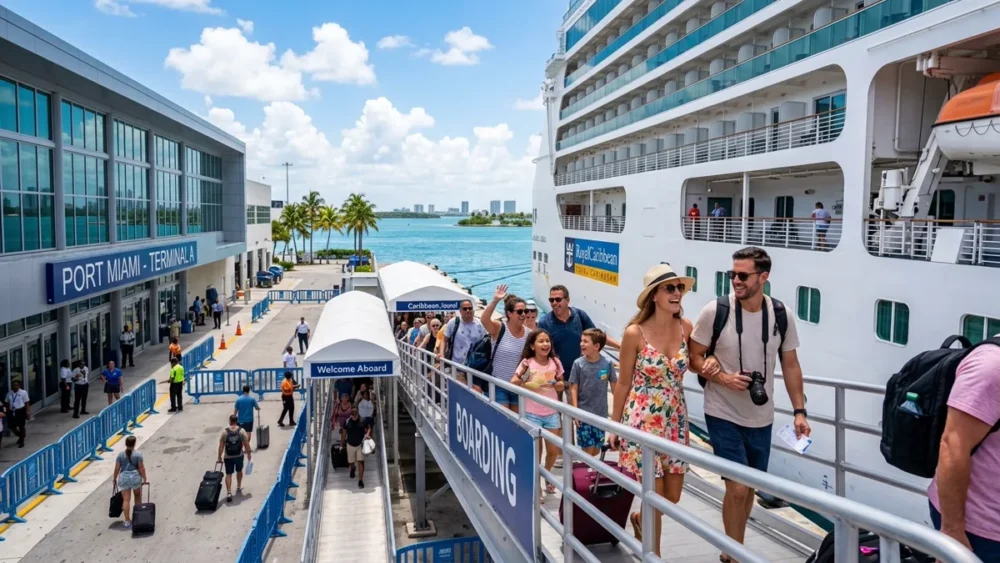
Boarding pass: Planning a first time cruise requires selecting the right voyage length (3 to 5 nights for beginners), choosing between mainstream and premium cruise lines based on your travel style, booking a midship stateroom to minimize motion, and understanding standard inclusions versus onboard extras. Completing online check-in 30 days prior ensures a seamless departure.
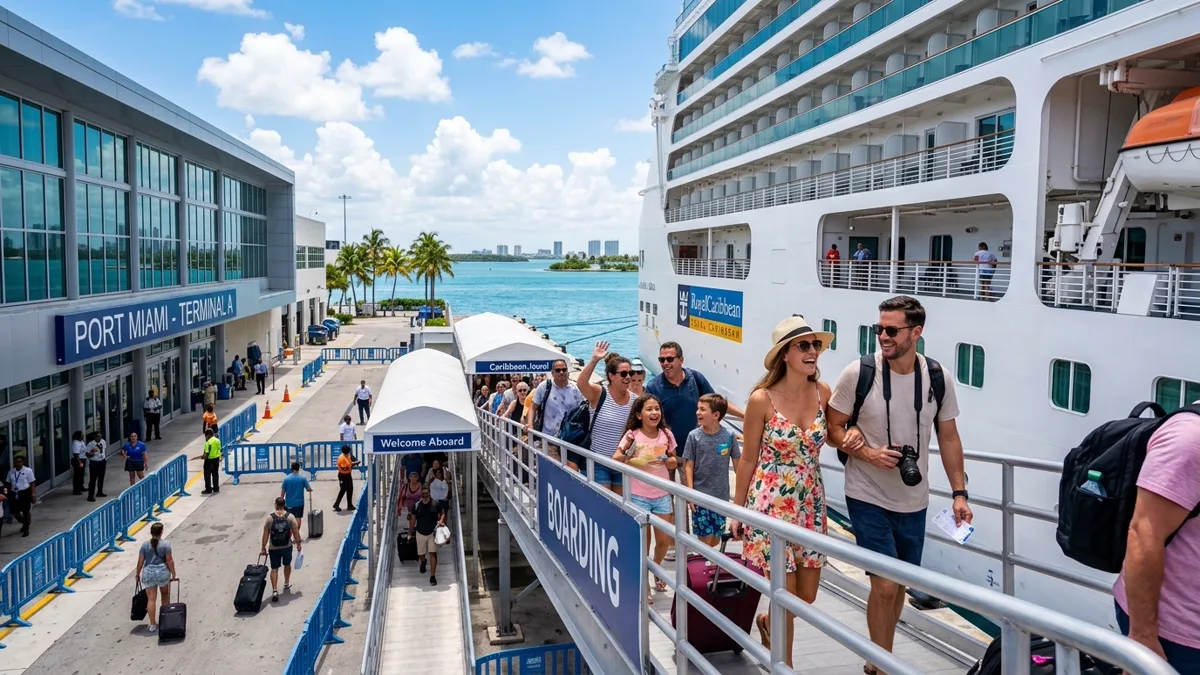
Embarking on an ocean voyage for the first time offers an exceptional way to explore multiple destinations while unpacking your luggage only once. It feels effortless. However, choosing between ship sizes, itineraries, and fare structures requires a clear plan. Understanding how to choose a cruise begins with defining your vacation priorities, preferred travel pace, and party dynamic. Know your budget. Whether you travel as a couple, solo explorer, or multi-generational family group, ocean voyages deliver unmatched convenience.
For travelers taking a cruise for beginners, booking a shorter itinerary of 3 to 5 nights represents the safest approach. Short trips work best. They allow new cruisers to test their sea legs, familiarize themselves with shipboard navigation, and evaluate dining and entertainment schedules without committing to a fortnight at sea. Popular introductory sailings include 4-night Bahamas escapes or 5-night Western Caribbean itineraries departing from convenient Florida ports like Miami, Fort Lauderdale, or Port Canaveral. Start small. When assembling your luggage, consult our comprehensive cruise packing list and review our best time to cruise caribbean calendar for seasonal weather patterns.
- Select Itinerary Length: Book 3 to 5 nights on your maiden sailing to discover shipboard preferences.
- Choose Line Style: Pick contemporary resort vessels for lively amenities or classic premium lines for quiet relaxation.
- Pick Stateroom Placement: Choose lower-deck midship cabins to secure a comfortable sailing profile.
- Budget Onboard Extras: Account for daily gratuities, beverage packages, specialty dining, and port excursions.
- Check In Early: Complete mobile app registration 30 days out to secure an optimal boarding arrival slot.
Matching Ship Categories with Beginner Vacation Styles
Modern cruise vessels range from intimate boutique yachts to mega-ships accommodating over 6,000 guests. Size matters. Matching your personal lifestyle with the appropriate line category prevents vacation mismatch. Every brand cultivates a distinct onboard culture, demographic appeal, and daily schedule.
Contemporary mainstream cruise lines focus on high-energy entertainment. On these massive vessels, you will find multi-story waterparks, ice skating rinks, Broadway theater productions, laser tag arenas, and extensive youth programs. Energy stays high. They excel at serving active families, large social groups, and first-time voyagers who thrive in dynamic environments.
In contrast, premium lines emphasize culinary excellence, enrichment lectures, destination immersion, and tranquil wellness spaces. Days pass peacefully. These ships feature fewer waterslides and more live jazz lounges, wine tastings, and ocean-view reading nooks. If your ideal vacation centers on quiet afternoons with an ocean breeze and sophisticated dining, a premium cruise line delivers that exact ambiance.
- Contemporary resort vessels: Energetic atmosphere, expansive pools, diverse specialty eateries, nightly comedy clubs.
- Premium classic liners: Elegant decor, spacious public lounges, destination-focused lectures, refined service.
- Boutique small ships: Intimate passenger counts, access to secluded harbors, personalized crew attention.
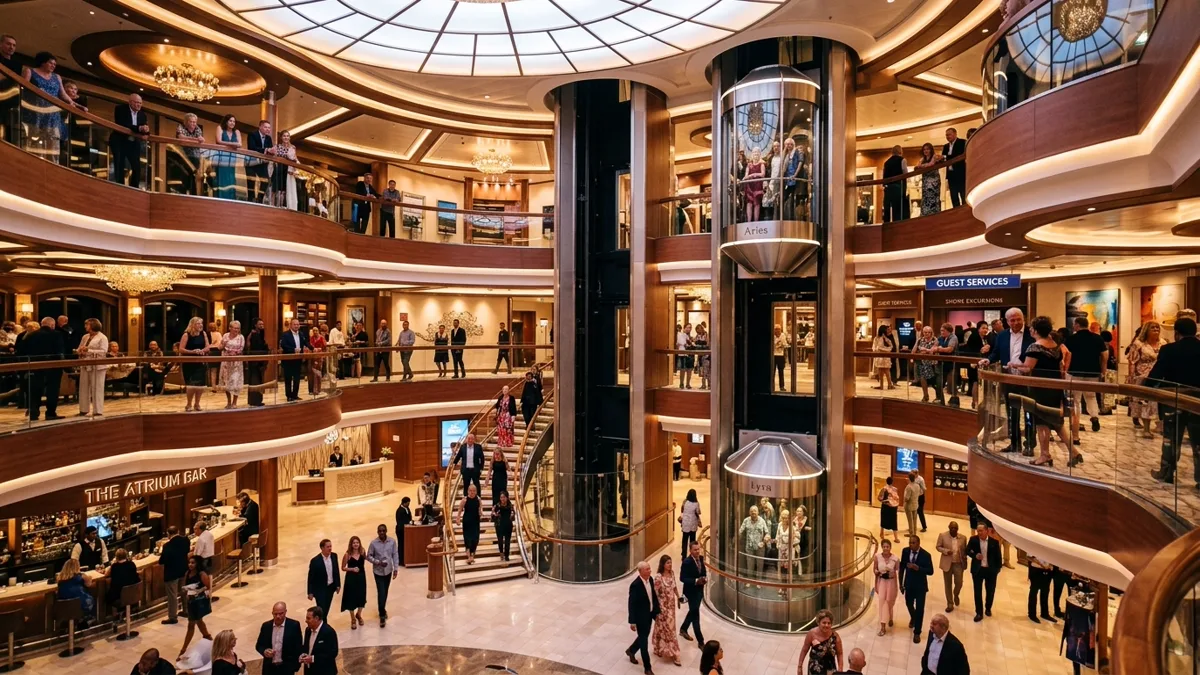
What Base Cruise Fares Cover Versus Optional Extras
A frequent point of confusion among beginner travelers is the distinction between complimentary amenities and optional onboard add-ons. Cruises are not fully all-inclusive. Standard cruise fares cover essential lodging, core dining, and entertainment, but cruises do not operate as fully all-inclusive resorts unless you book ultra-luxury lines.
Your base fare covers your private stateroom, twice-daily stateroom attendant service, main dining room multi-course meals, casual buffet stations, poolside grills, fitness center access, theater productions, and live music performances. Food is plentiful. You can spend an entire week at sea without paying an additional dollar if you stick to complimentary venues.
However, several conveniences carry extra fees. Specialty dining venues, alcoholic cocktails, specialty espresso drinks, bottled water, canned sodas, shipboard satellite internet, spa therapies, shore excursions, and automated daily gratuities appear as supplemental charges on your shipboard folio. Watch your folio. Understanding these fee structures in advance prevents surprise checkout bills on disembarkation morning.
Voyage Planning Calendar from Booking to Boarding Day
Adhering to a structured planning schedule eliminates last-minute departure stress. Timing is everything. By tackling tasks in clear stages, you ensure that every document, reservation, and packing item is handled smoothly.
Begin your travel arrangements 60 to 90 days before sailing by confirming that your government identification cards, passports, and birth certificates match the exact names on your cruise booking manifest. Review the cruise planning section for destination details and seasonal advice. Check expiration dates early. At the 30-day mark, download the cruise line mobile application and complete digital check-in. This step lets you upload security photos, register credit cards for onboard spending, and select an early terminal arrival time.
Two weeks before sailing, pre-book popular specialty restaurants and shore excursions through the online portal. When embarkation day arrives, keep all essential travel documents, prescription medications, swimwear, and chargers in your personal carry-on bag. Pack smart. Checked luggage delivered by dockside porters may take several hours to arrive outside your stateroom door.
Selecting Staterooms for Lower Motion on Waves
Where your cabin sits on the ship influences your sleep quality, comfort, and walking distance to daily activities. Deck placement matters. Stateroom categories generally divide into inside cabins without windows, oceanview staterooms with portholes, balcony staterooms with private outdoor verandas, and luxury multi-room suites.
For a first time cruise, selecting a midship stateroom on a lower or middle passenger deck offers a steady ride. Stability matters. Ships pivot on a central axis, meaning the center of the vessel moves significantly less than the extreme bow or stern during rolling seas. Placing yourself equidistant from the top sun deck and lower promenade also cuts down on elevator wait times during peak dining hours.
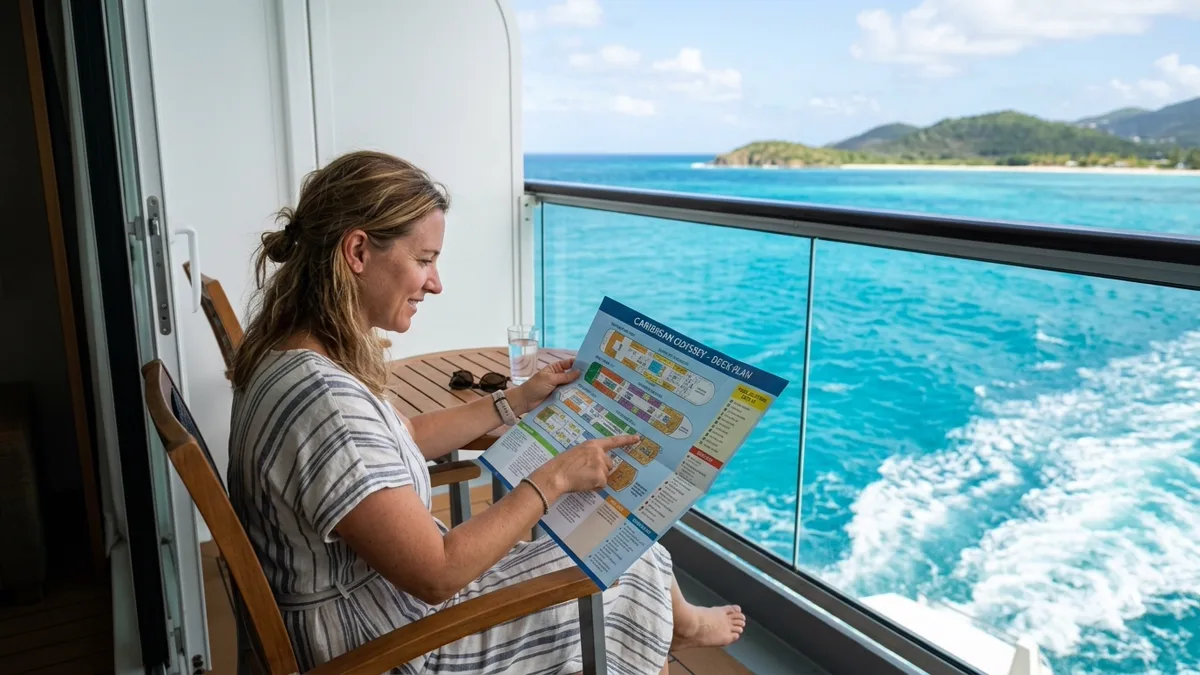
Pay close attention to what sits directly above and below your selected stateroom number on the official ship deck blueprint. Study the blueprints carefully. Avoid booking staterooms positioned directly underneath the pool deck where deck chairs drag across tile at sunrise. Similarly, avoid staterooms located immediately above late-night nightclub stages or engine thruster zones.
Beginner Sailing Budgeting and Extra Costs
To assist in your vacation budgeting, the following comparison table details standard inclusions alongside typical optional onboard expenses across mainstream cruise fleets.
| Expense Category | Covered in Base Ticket | Typical Pricing Structure | Planning Guidance |
|---|---|---|---|
| Main Dining & Buffet | Yes | Included in base ticket | Multi-course dining room meals are complimentary every evening. |
| Specialty Steakhouses | No | $45 to $75 per adult cover charge | Reserve 1 or 2 special evenings online prior to departure. |
| Standard Water, Tea & Coffee | Yes | Included at buffet stations | Bring a refillable insulated bottle to fill at beverage stations. |
| Beverage Packages (Alcohol/Soda) | No | $65 to $95 per adult per day | Evaluate your daily drink intake before committing to packages. |
| Shipboard Wi-Fi Access | No | $18 to $30 per day per device | Download digital boarding passes and offline media beforehand. |
| Mandatory Daily Gratuities | No | $16 to $20 per person per day | Pre-pay tips online to simplify onboard account reconciliation. |
| Organized Shore Excursions | No | $50 to $175 per port tour | Book ship excursions for tight port schedules or distant landmarks. |
Common Voyage Misconceptions and Clear Answers
Many first-time vacationers hesitate to book cruises due to widespread myths. Misconceptions are common. Examining how modern ships operate helps dispel common concerns.
Misconception: Modern cruise ships feel crowded and you are constantly waiting in long queues.
Operational Fact: Naval architects design modern passenger vessels with dispersed traffic flow, multiple independent dining rooms, and expansive open-air promenade decks. While casual buffet stations see brief morning rushes, quiet lounges and shaded observation decks provide abundant relaxation spaces throughout the voyage.
Misconception: You must dress in formal evening wear and black-tie tuxedos every night at dinner.
Operational Fact: Contemporary cruise lines have modernized their evening dress codes. Most nights feature resort casual attire such as collared polo shirts, sundresses, and tailored chinos. Even on designated dress-up evenings, participation is entirely optional, and guests preferring casual attire can enjoy full buffet or room service options without restriction.
How we researched this: Our voyage planning guides combine maritime passenger safety standards, cruise line ticketing conditions, port authority operational briefs, and verified shipboard feedback to deliver reliable, unbiased travel advice.
Common Inquiries on Maiden Sailing Schedules
How early should I arrive at the cruise terminal on embarkation day?
You should arrive strictly at your assigned terminal arrival window selected during online check-in. Arriving earlier than your scheduled slot often results in waiting outside the terminal building, as security teams process departing guests from the prior voyage before admitting new passengers.
Can I bring my own beverages or snacks on a cruise ship?
Most mainstream cruise lines permit each adult guest to bring one unopened 750ml bottle of wine or champagne and a limited quantity of canned non-alcoholic beverages in their carry-on luggage on embarkation day. Packaged dry snacks like granola bars are permitted, but opened perishable food items are strictly prohibited by port agricultural authorities.
Do I need to carry cash while on board the cruise ship?
Cruise ships operate on a strictly cashless ecosystem. All onboard purchases, specialty dining, bar drinks, and retail shops are charged to your digital stateroom account using your cruise keycard or wearable credential. However, carrying small denominations of local cash ($1 to $5 bills) is recommended for tipping port baggage handlers, shore tour guides, and excursion drivers.
What happens if the cruise ship misses a scheduled port of call?
Maritime safety regulations grant the ship captain full authority to alter itineraries, bypass ports, or substitute destinations due to severe weather, high harbor swells, or technical requirements. When a port is skipped, port taxes for that destination are automatically credited back to your shipboard account, and excursions booked directly through the cruise line are refunded in full.