
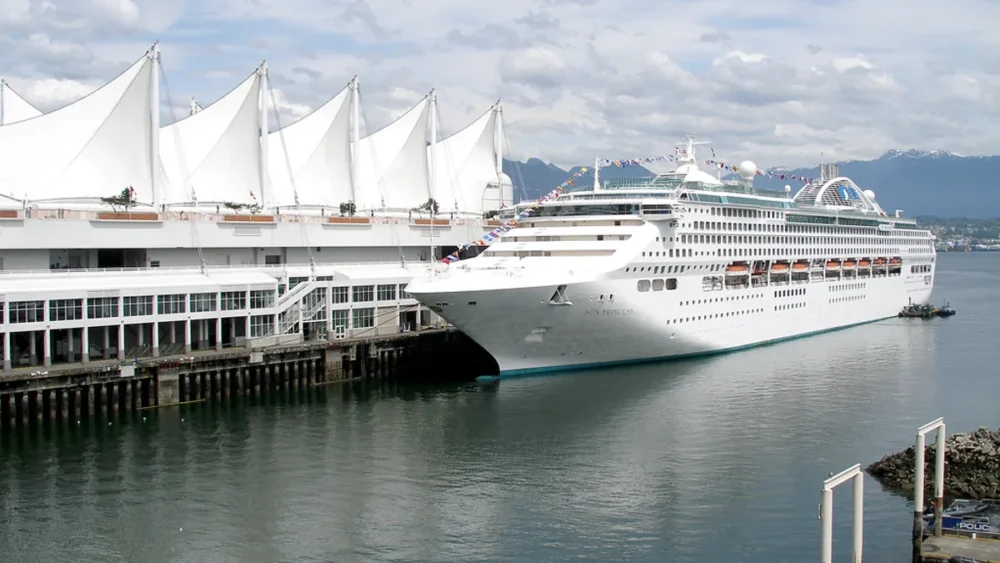
Boarding pass: Choosing the right cruise ship size depends on balancing onboard amenities with destination access, comparing boutique ships under 50,000 gross tons to mega-ships over 150,000 gross tons based on passenger space ratios, motion stability, and port docking flexibility.
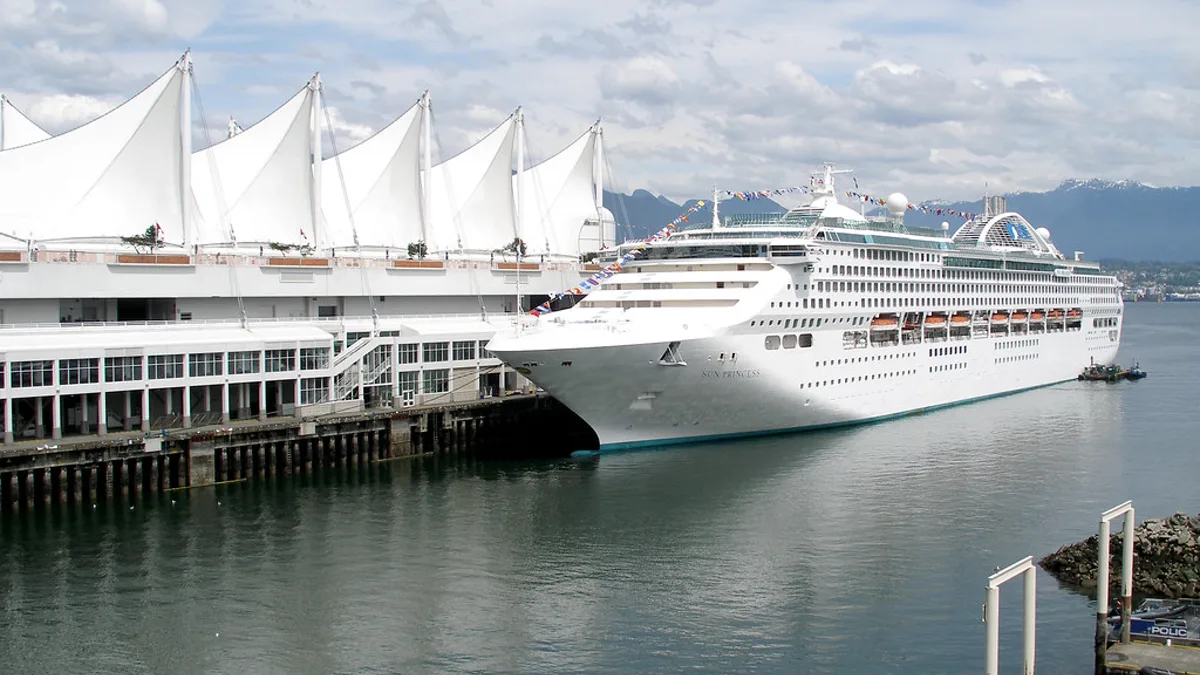
Modern passenger vessels range from intimate exploration yachts carrying a few hundred guests to massive ocean liners accommodating over seven thousand travelers. When planning a maritime vacation, understanding vessel scale is just as important as choosing the right itinerary. A ship physical dimensions dictate everything from the entertainment options and dining venues onboard to the specific harbors and shallow fjords the vessel can navigate.
In maritime terminology, vessel size is defined primarily by gross tonnage rather than physical weight or length alone. Gross tonnage measures the total enclosed interior volume of a ship, which directly influences passenger space ratios, motion dampening in open ocean swells, and terminal docking requirements. Explore our cruise planning section and review our guide to choosing the best cabin on a cruise ship to match your travel style with the right vessel profile.
- Small Ships (Under 50,000 Gross Tons): Intimate atmosphere, under 1,000 passengers, access to shallow harbors, and high passenger space ratios.
- Mid-Size Ships (50,000 to 100,000 Gross Tons): Balanced blend of classic cruising tradition, moderate entertainment, and flexible port docking.
- Large Ships (100,000 to 150,000 Gross Tons): Extensive specialty dining, multi-deck theaters, dedicated youth zones, and 2,500 to 3,500 passengers.
- Mega Ships (150,000 to 250,000+ Gross Tons): Floating resort cities with water parks, ice rinks, multiple distinct neighborhoods, and over 4,000 travelers.
What Does Gross Tonnage Actually Measure in Ship Design?
Gross tonnage does not measure vessel weight or displacement. Under international maritime standards, gross tonnage measures the total enclosed internal volume of a vessel, where one gross ton historically corresponds to 100 cubic feet of permanently enclosed interior space.
The calculation of vessel dimensions is governed by the International Maritime Organization through the International Convention on Tonnage Measurement of Ships. Unlike naval warships that measure size by displacement (the weight of water displaced by the hull), passenger cruise ships are categorized by gross tonnage (GT). This volume metric encompasses all passenger cabins, public dining rooms, entertainment lounges, galleys, and crew quarters from the lower hull to the uppermost observation decks.
A key metric derived from gross tonnage is the passenger space ratio. Calculated by dividing the ship gross tonnage by its maximum passenger capacity, this figure provides a reliable indicator of roominess. A ship with a gross tonnage of 140,000 carrying 3,000 passengers has a space ratio of 46.6, indicating spacious public areas, whereas a vessel carrying 4,500 guests in the same volume yields a ratio of 31.1, indicating higher passenger density around pool decks and buffet venues.
- Volume measurement: Gross tonnage reflects interior space rather than physical vessel weight.
- Space ratio calculation: Divide gross tonnage by total passenger capacity to evaluate crowd feel.
- High space ratio: Scores above 45 indicate generous public space and quiet observation areas.
- Standard space ratio: Scores between 30 and 40 represent lively, amenity-dense resort environments.
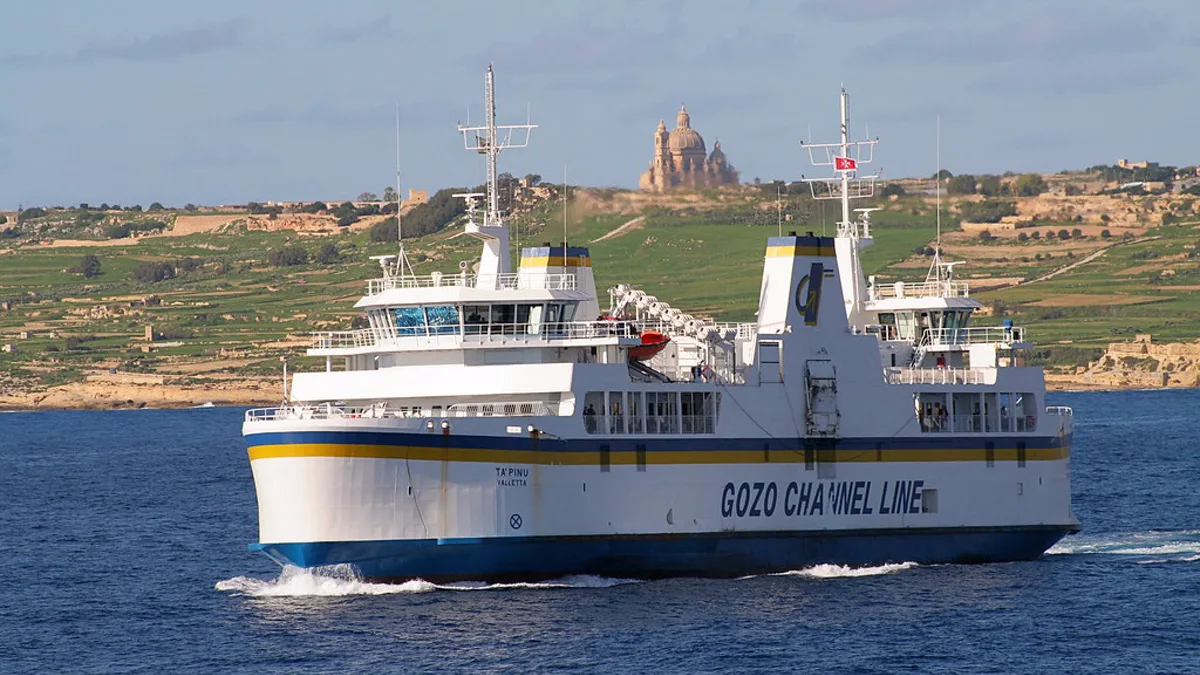
How Do the Four Major Cruise Ship Size Categories Compare?
The cruising industry groups modern vessels into four primary size classes: small boutique ships, mid-size classic vessels, large resort liners, and mega-ships. Each tier delivers a distinct operational atmosphere and vacation experience.
Small ships (under 50,000 GT) focus on destination immersion and personalized service. These vessels dock directly in historic river mouths, small island harbors, and remote wilderness bays that cannot accommodate larger hulls. Passengers enjoy open bridge policies, educational lectures by naturalists, and uncrowded dining rooms. The trade-off is fewer specialty entertainment venues and limited youth facilities.
Mega-ships (over 150,000 GT) function as self-contained floating destinations. Equipped with surf simulators, multi-story water parks, Broadway theatrical productions, and twenty or more distinct culinary venues, these ships cater extensively to multi-generational families. While mega-vessels provide unmatched entertainment variety, they require massive deep-water pier infrastructure and strictly timed disembarkation schedules in busy ports.
How Do Ship Dimensions Influence Port Access and Tender Operations?
Vessel draft, air draft, and overall length dictate whether a cruise ship can dock directly alongside town piers or must anchor offshore in deeper water and transfer passengers via small tender boats.
Draft refers to the vertical distance between the waterline and the bottom of the hull. Mega-ships frequently draw 28 to 30 feet of water, preventing them from entering shallow Caribbean harbors like Grand Cayman or historic Mediterranean ports. When ships anchor offshore, passengers must transfer ashore using tender boats, a process explained in detail in our analysis of tender port procedures and logistics. Mid-size and smaller vessels can often glide directly into city center berths.
Air draft (the height from the waterline to the highest mast or radar tower) also limits navigation beneath coastal bridges. Vessels transiting the Panama Canal or sailing into Tampa Bay must strictly conform to bridge clearance limits, which restricts the deployment of ultra-tall modern mega-liners on select geographic routes.
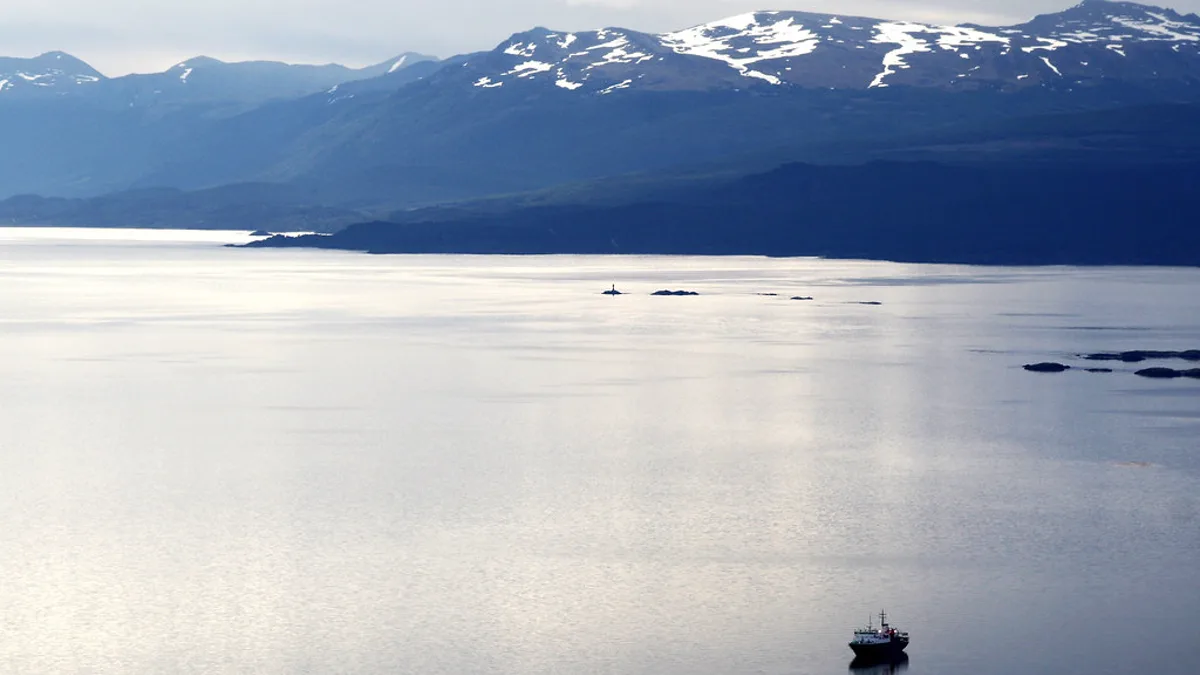
Why Do Larger Ships Experience Less Ocean Motion and Rolling?
Larger cruise ships generally experience less perceptible roll and pitch in open ocean swells due to wider beam widths, greater underwater mass, and advanced computer-controlled hydrodynamic stabilizer fins.
Beam width (the maximum width of the hull) provides primary natural stability against rolling motions caused by lateral ocean waves. Mega-ships with beam widths exceeding 120 to 150 feet distribute ocean wave energy across an expansive surface area. In addition, modern cruise vessels employ retractable underwater stabilizer fins that automatically pivot to counteract roll angles, significantly reducing motion as detailed in our guide on managing seasickness on a cruise ship.
However, modern naval engineering allows well-designed mid-size and small expedition vessels to navigate heavy seas comfortably. Equipped with specialized active stabilizers, boutique luxury and expedition ships navigate open-ocean crossings like the Drake Passage or North Atlantic with high passenger comfort despite their smaller overall footprint.
Cruise Ship Size Classes and Feature Breakdown
Comparing cruise ship size categories helps vacationers select the ideal vessel scale for their travel preferences. The reference table below details operational specifications across major vessel tiers.
| Size Category | Gross Tonnage (GT) | Typical Passenger Count | Docking Accessibility | Primary Vacation Focus |
|---|---|---|---|---|
| Small / Boutique | 10,000 to 49,999 | 150 to 900 | Direct access to small historic piers | Destination immersion, quiet luxury, lecture series |
| Mid-Size | 50,000 to 99,999 | 1,000 to 2,400 | Broad access to standard cruise docks | Classic cruising tradition, balanced entertainment |
| Large | 100,000 to 149,999 | 2,500 to 3,800 | Requires standard deep-water cruise berths | Specialty dining variety, youth clubs, evening shows |
| Mega / Resort | 150,000 to 250,000+ | 4,000 to 7,500 | Requires dedicated mega-pier infrastructure | Expansive onboard attractions, family water parks |
Common Misconceptions About Vessel Dimensions
Passenger expectations regarding ship size are often influenced by common travel assumptions. Evaluating verifiable maritime facts clarifies how vessel scale impacts the cruise experience.
| Myth | Fact |
|---|---|
| Gross tonnage measures the physical weight of the cruise ship. | Gross tonnage measures internal enclosed cubic volume, not vessel displacement weight. |
| Bigger cruise ships always feel more crowded than smaller ships. | Crowd feel depends on the passenger space ratio and deck layout rather than gross tonnage alone. |
| Small cruise ships cannot safely navigate rough open-ocean waters. | Modern small luxury and expedition vessels feature advanced active stabilizers and high ice-class hull ratings. |
| Mega-ships can dock directly in every standard tourist port. | Mega-ships require deep-water piers and frequently must anchor offshore in tender ports due to draft limits. |
Deck-chair questions
What is considered a mega cruise ship?
A mega cruise ship is generally defined as a vessel exceeding 150,000 gross tons with a passenger capacity of 4,000 or more, featuring multi-neighborhood layouts, expansive water parks, and numerous specialty dining options.
Do smaller cruise ships experience more motion at sea?
While larger hulls have more natural mass stability, modern small and mid-size ships use advanced computer-controlled stabilizer fins that counteract wave roll and provide a smooth open-ocean ride.
How do I calculate a cruise ship passenger space ratio?
Divide the ship gross tonnage by its maximum passenger capacity. For example, a 120,000 gross ton ship carrying 3,000 passengers has a space ratio of 40, which represents a spacious and comfortable environment.
Why do some ports ban or restrict mega-ships?
Historic ports such as Venice, Key West, and Bar Harbor implement vessel size limits to prevent harbor congestion, preserve delicate marine ecosystems, and manage downtown visitor density.
Is a small ship better for first-time cruisers?
It depends on personal travel preferences. Active families often prefer large ships for their entertainment amenities, while travelers seeking quiet relaxation and historic destination access prefer small or mid-size vessels.
How we researched this guide: Our maritime editorial team analyzed ship design blueprints, International Maritime Organization tonnage standards, and vessel docking logs across global port authorities.
Sources: International Maritime Organization International Convention on Tonnage Measurement of Ships, Cruise Lines International Association Fleet Status Reports, Lloyd Register Ship Directory.