
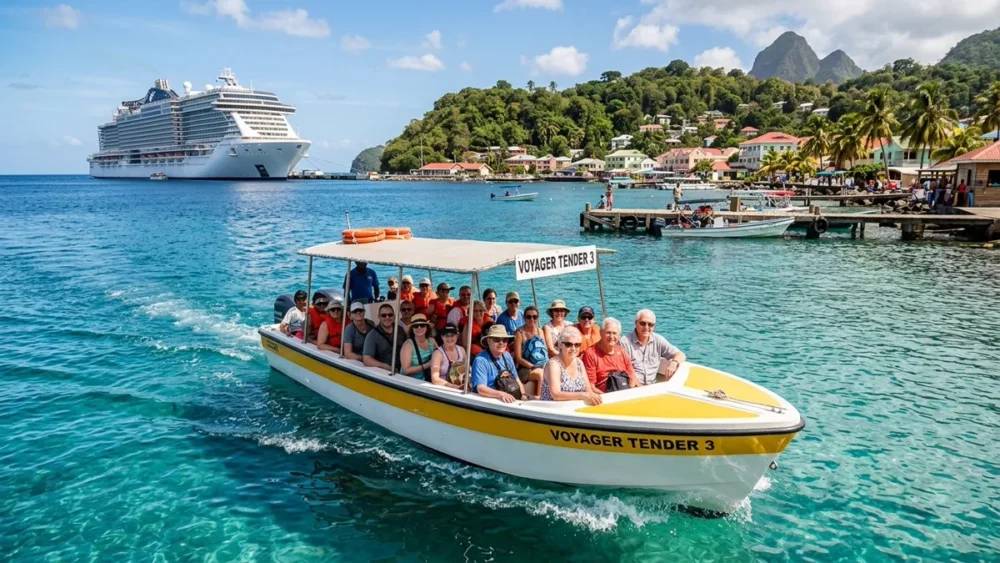
Boarding pass: A tender port is a cruise destination where water depth, harbor reefs, or docking space prevent a ship from tying up directly at a pier. Instead, the vessel anchors offshore in the bay, and passengers transfer ashore using smaller motorized shuttle boats known as tenders. Allow extra transit time for shore excursions.
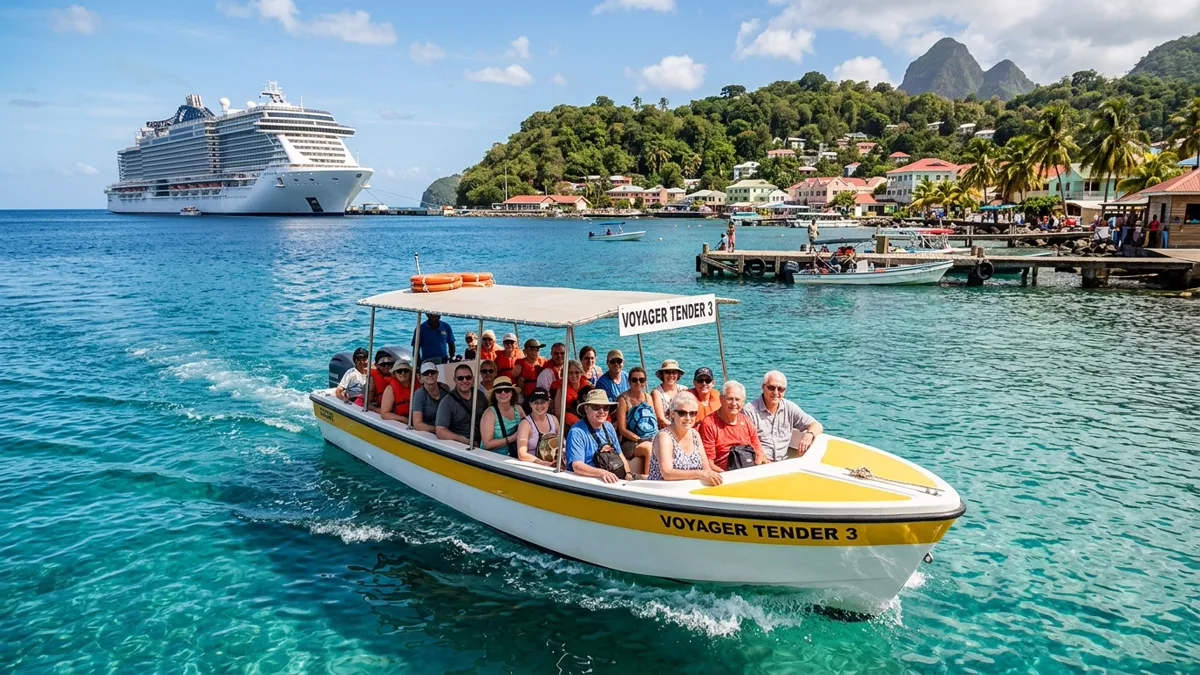
Planning an ocean voyage introduces travelers to distinctive nautical concepts and maritime traditions. Among the most valuable operational distinctions to understand when reviewing your sailing itinerary is the difference between a docked port and a tender port. Arriving at a destination where your ship drops anchor in open water requires unique boarding logistics, timing adjustments, and mobility considerations. Knowing how tendering works guarantees a smooth, enjoyable port arrival.
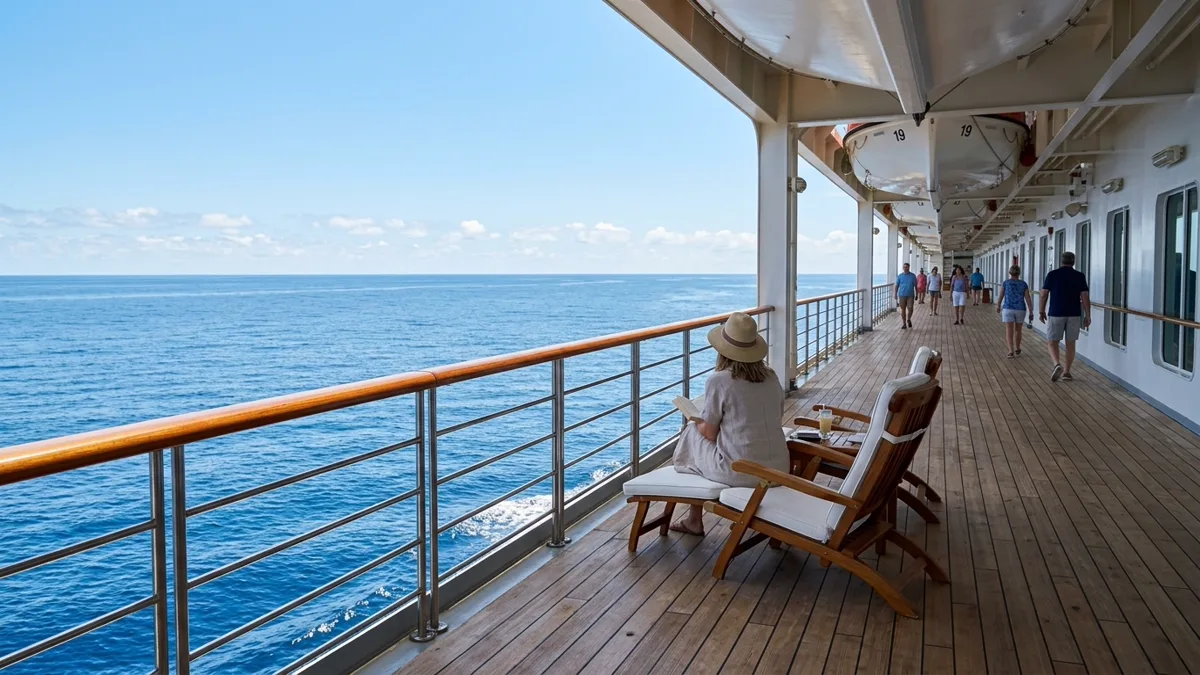
Familiarizing yourself with essential cruise ship terminology helps first-time and seasoned cruisers navigate shipboard announcements, daily activity schedules, and port departure bulletins with total confidence. Whether enjoying a relaxing sea day on the open promenade deck or preparing to board an offshore shuttle into a historic island harbor, understanding nautical terms enriches your voyage. Explore our ports and resorts guide, review our eastern vs western caribbean cruise ports, and consult our first time cruise preparation guide to master your itinerary logistics.
- Offshore Anchorage: Vessels anchor in deep water bays when harbors lack adequate pier infrastructure.
- Shuttle Vessels: High-capacity tender boats transport 100 to 250 passengers per run between ship and shore.
- Ticket Distribution: Guests without ship-sponsored excursions obtain numbered tender boarding groups in the morning.
- Time Buffer: Allow an additional 45 to 60 minutes for return tender transfers before the mandatory all-aboard deadline.
Why Do Cruise Ships Anchor Offshore at Tender Ports?
Modern mega-ships require significant water depth (known as draft) and extensive concrete pier infrastructure to dock securely. When a cruise itinerary includes destinations where geography or local marine environments cannot accommodate large vessels, the ship utilizes tendering operations.
Several distinct maritime conditions necessitate offshore anchorage. In shallow coral harbors like Grand Cayman or Belize City, dredging deep channels would devastate delicate coral reef ecosystems, prompting local maritime authorities to mandate offshore anchorage. In picturesque destinations such as Santorini (Greece), Villefranche-sur-Mer (France), or Bar Harbor (Maine), physical pier dimensions or historic harbor preservation policies prevent massive ocean liners from tying up along the waterfront.
Also, pier congestion can trigger tendering. When a port with two docking berths hosts four arriving cruise ships on the same morning, the first two vessels occupy the concrete pier while subsequent arrivals drop anchor in the outer roadstead and run tender shuttles ashore.
- Environmental preservation: Protecting shallow marine sanctuaries, seagrass beds, and barrier reefs from dredging.
- Shallow harbor bathymetry: Water depth insufficient for vessels drawing 28 to 33 feet of draft.
- Historic harbor infrastructure: Quaint island towns with small stone quays designed for fishing boats.
- Berth overflow: Multiple ships arriving simultaneously in high-traffic ports.
How Does the Tender Ticket and Boarding Process Work?
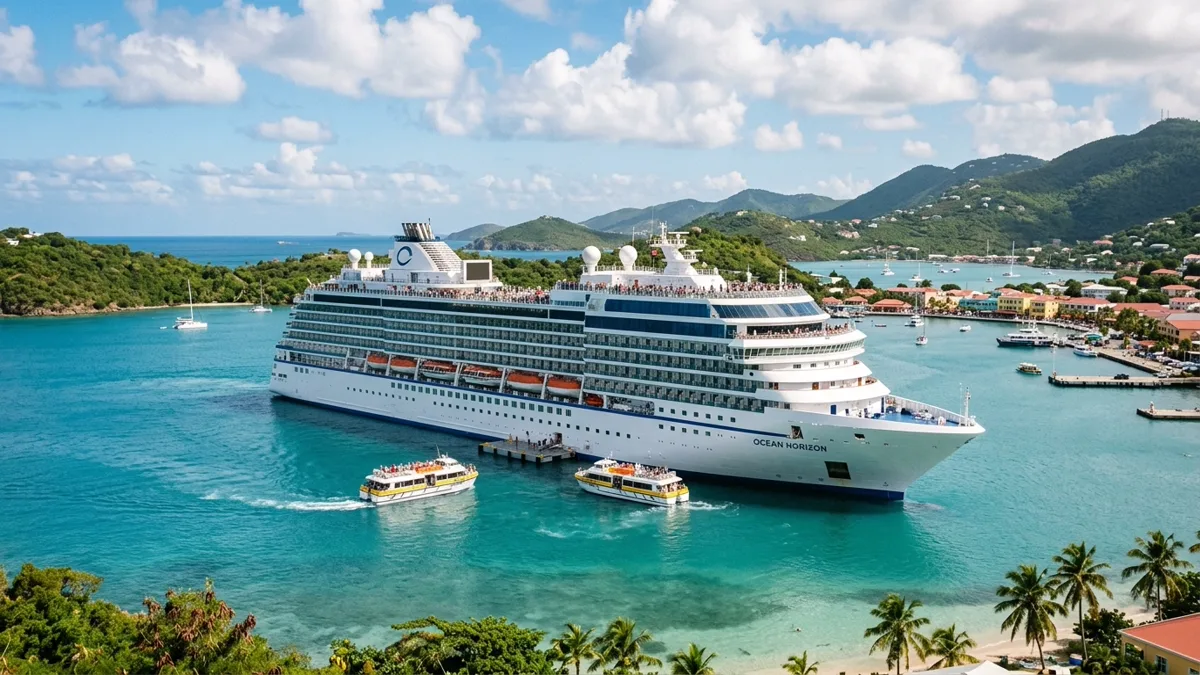
Transferring several thousand passengers from an anchored ocean liner to a shore dock requires disciplined operational sequencing. Cruise lines implement structured tender boarding systems to prevent crowded stairwells and long delays at the ship lower gangway.
On the morning of a tender port arrival, the cruise director announces the opening of tender ticket distribution through the ship mobile app or at a central lounge. Independent travelers collect numbered paper or digital boarding group passes. Groups are called sequentially over the public address system and mobile notifications as tender boats pull alongside the water-level boarding platform (pontoon).
Certain traveler categories receive priority tendering privileges without waiting for general boarding groups. Guests booked on official cruise line shore excursions, elite-tier loyalty members, and suite guests typically receive priority access to early tenders, ensuring they arrive ashore in time for scheduled excursion departures. Once initial morning crowds clear (usually within 90 to 120 minutes of arrival), open tendering takes effect, allowing passengers to walk down to the gangway without tickets.
What Mobility and Weather Factors Affect Tender Operations?
Tendering involves stepping from a floating ship platform onto a motorized shuttle boat that bobs with ocean swells. Consequently, maritime safety protocols strictly govern tender boarding for guests with mobility challenges.
While crew members provide physical stability and assistance, passengers using motorized wheelchairs or mobility scooters may face boarding restrictions if the equipment cannot be safely lifted across moving gangways. In ports with heavy tidal range or ocean chop, safety officers may suspend wheelchair transfers to protect guest safety per international maritime standards. Guests with mobility concerns should verify specific line accessibility rules at guest services before departure.
In addition, weather conditions dictate tender feasibility. If wind speeds generate harbor swells exceeding 3 to 4 feet, the ship captain may delay tendering or cancel the port visit entirely to prevent boat collision risks against the hull. When tender ports are canceled for weather, port fees are automatically refunded to onboard passenger accounts, and the day transitions into an unexpected relaxing sea day.
Essential Cruise Ship Terminology and Nautical Glossary
Mastering core maritime terms enhances your situational awareness and makes navigating shipboard daily schedules effortless. The following essential terms represent standard vocabulary used by cruise officers, navigational staff, and port authorities worldwide.
Understanding spatial directions prevents walking toward the wrong end of a twelve-deck vessel. Bow refers to the front of the ship, while Stern indicates the rear. Port designates the left side when facing forward, whereas Starboard denotes the right side. The ship Gangway serves as the ramp or staircase connecting ship to shore, and the Bridge represents the navigational command center where the captain and navigation officers steer the vessel.
Operational terms govern daily schedules. All Aboard represents the mandatory deadline by which every guest and crew member must return to the ship (typically 30 to 45 minutes prior to departure). A Sea Day describes a full 24-hour period spent sailing between ports with zero dockings, while Muster Drill refers to the mandatory passenger safety assembly conducted prior to initial departure.
Nautical and Port Operations Reference Table
To provide a quick-reference guide for your upcoming sailing, this table defines essential shipboard terminology used across commercial passenger cruise lines.
| Nautical Term | Maritime Definition | Practical Traveler Application |
|---|---|---|
| Tender Port | Harbor requiring offshore anchor and shuttle boats | Allow extra transit time; monitor morning boarding group calls. |
| Docked Port | Destination where the ship ties directly to a pier | Walk on and off the vessel freely via the fixed gangway. |
| All Aboard | Mandatory time all guests must be back on ship | Never miss this deadline; the ship departs on schedule. |
| Sea Day | Full sailing day without port stops | Enjoy pools, spa treatments, entertainment, and relaxation. |
| Port / Starboard | Left (Port) and Right (Starboard) facing the bow | Remember: “Port” and “Left” both have four letters. |
| Bow / Stern | Front (Bow) and Rear (Stern / Aft) of vessel | Navigational reference for staterooms, dining, and theaters. |
| Gangway | Adjustable ramp or staircase between ship and dock | Location where ship security scans your digital room key. |
| Muster Station | Designated emergency assembly zone on stateroom card | Mandatory safety briefing location completed on day one. |
| Draft | Vertical distance between waterline and bottom of hull | Determines whether a ship can dock or must anchor offshore. |
| Galley | Shipboard culinary kitchen facility | Where chefs prepare thousands of daily dining room meals. |
Common Tender Port Misconceptions and Operational Truths
Novice cruisers often hold misconceptions regarding how offshore anchorages function in modern maritime travel.
Misconception: Tender shuttle boats are tiny open-air dinghies that are unsafe in open water.
Operational Truth: Modern cruise tenders are robust, commercial passenger vessels (often doubling as enclosed lifeboats) equipped with twin marine diesel engines, radar, GPS, life vests, and enclosed seating for 100 to 250 passengers under certified maritime safety oversight.
Misconception: You must pay an additional fee every time you ride a tender boat ashore.
Operational Truth: Tender shuttle transportation between ship and shore is completely complimentary and included in your standard cruise fare regardless of how many times you transit.
How we researched this: Our maritime operational guides combine International Maritime Organization safety directives, port authority harbor master logs, cruise line fleet navigation protocols, and verified passenger feedback to deliver practical travel insights.
Common Inquiries on Tender Ports and Shuttles
How long does a tender boat ride take from ship to shore?
The water transit itself typically lasts between 10 and 20 minutes, depending on the distance between the offshore anchorage buoy and the harbor pier. However, account for 15 to 20 minutes of boat loading and unloading time at each dock.
What happens if I miss the last tender boat back to the cruise ship?
The last tender boat departure time is strictly enforced and posted at the shore dock. If you miss the final tender, the cruise ship will depart without you, and you will be responsible for arranging and paying for private transportation to the next scheduled port of call.
Can I bring food or drinks onto the tender boat?
You may bring sealed bottled water and packaged snacks. However, open alcoholic beverages, uncovered hot coffee cups, and fresh fruit or agricultural products are strictly prohibited when disembarking through local port customs and agricultural inspection points.
Do I need to carry my passport or keycard on a tender boat?
Yes. You must carry your ship keycard or wearable credential, as security officers scan every passenger upon boarding the tender at the ship gangway and upon return. Government-issued photo identification is also required to enter harbor security gates ashore.