
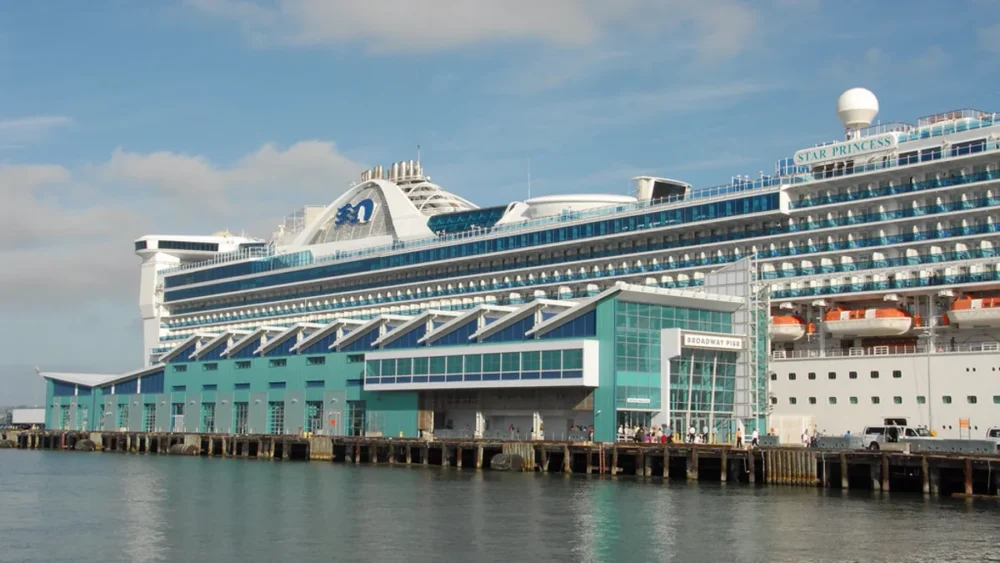
Boarding pass: Deciding between a river cruise vs ocean cruise comes down to vacation style: river cruises offer intimate 150-passenger ships docking directly in historic city centers with zero ocean swells, while ocean cruises provide expansive multi-deck resort entertainment and open-water navigation.
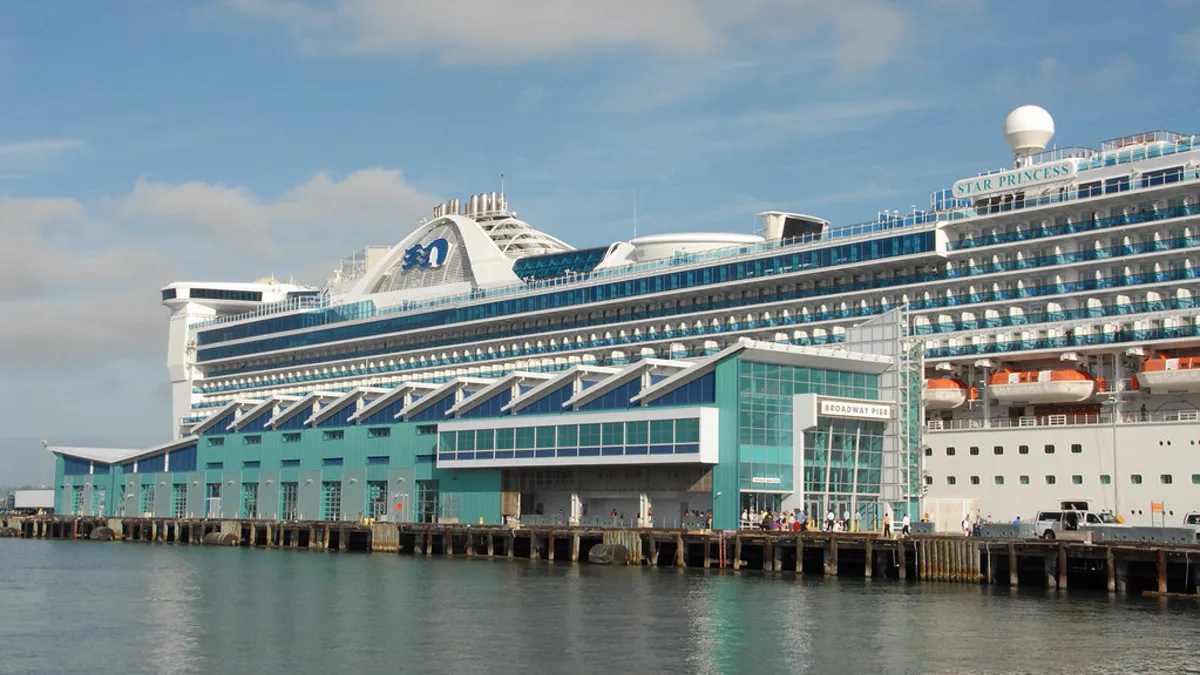
Choosing between cruising along inland continental waterways or sailing across open oceans is one of the most fundamental decisions in maritime travel planning. While both vacation styles eliminate the stress of packing and unpacking as you move between destinations, the daily experience on a river vessel differs dramatically from that on an ocean liner. From the scale of the ships and dining formats to docking locations and motion dynamics, each cruise model delivers a unique vacation rhythm.
River cruising is designed around complete destination immersion, with low-profile vessels gliding past historic castles and tying up directly along town promenades. Ocean cruising centers on the floating resort experience, featuring multi-story entertainment complexes, expansive pool decks, and open-sea sea days. Explore our cruise planning section, review our guide to tender port logistics, and compare pricing models in our analysis of cruise versus all-inclusive vacations.
- Vessel Dimensions and Infrastructure: River vessels are strictly capped at 135 meters in length to fit canal locks, while ocean ships exceed 300 meters.
- Passenger Capacity and Atmosphere: River cruises host 120 to 190 guests in quiet, social environments versus 2,500 to 6,000+ passengers on ocean mega-liners.
- City Center Docking Access: River ships moor directly alongside historic town squares, allowing guests to walk straight off into cobblestone streets.
- Motion Dynamics and Seasickness: Inland rivers have zero open-ocean swells or wave roll, completely eliminating seasickness concerns.
- Fare Inclusions and Pricing: River cruise fares typically bundle daily guided walking tours, regional wine with lunch and dinner, and Wi-Fi.
How Do River Cruise vs Ocean Cruise Ships Differ in Engineering Scale?
European river cruise ships are physically constrained by the engineering dimensions of inland locks and low historic bridges, limiting vessels to 135 meters in length and under 190 passengers. In contrast, modern ocean mega-liners exceed 300 meters, carrying thousands of travelers across sixteen or more vertical decks.
These strict physical parameters ensure river vessels can safely transit through historic canal lock chambers connecting the Rhine, Main, and Danube river basins. In addition, ships must pass beneath low historic stone bridges, requiring retractable wheelhouses and folding sun-deck railings. Because of these constraints, river vessels maintain a sleek, horizontal profile with three or four passenger decks, carrying an average of 140 to 190 guests.
In contrast, ocean-going cruise ships are built without inland lock constraints. Modern ocean mega-liners measure 300 to 360 meters in length and span sixteen to twenty vertical passenger decks. Carrying thousands of travelers, ocean vessels operate on massive scales that accommodate expansive water parks, multiple specialty restaurants, and large theaters.
- River ship length limit: 135 meters (443 feet) to fit European canal lock chambers.
- River ship beam limit: 11.45 meters (37.5 feet) for inland waterway clearance.
- River passenger capacity: Typically 120 to 190 guests, creating intimate community atmospheres.
- Ocean vessel scale: Exceeds 300 meters with passenger capacities of 2,500 to 6,000+ travelers.
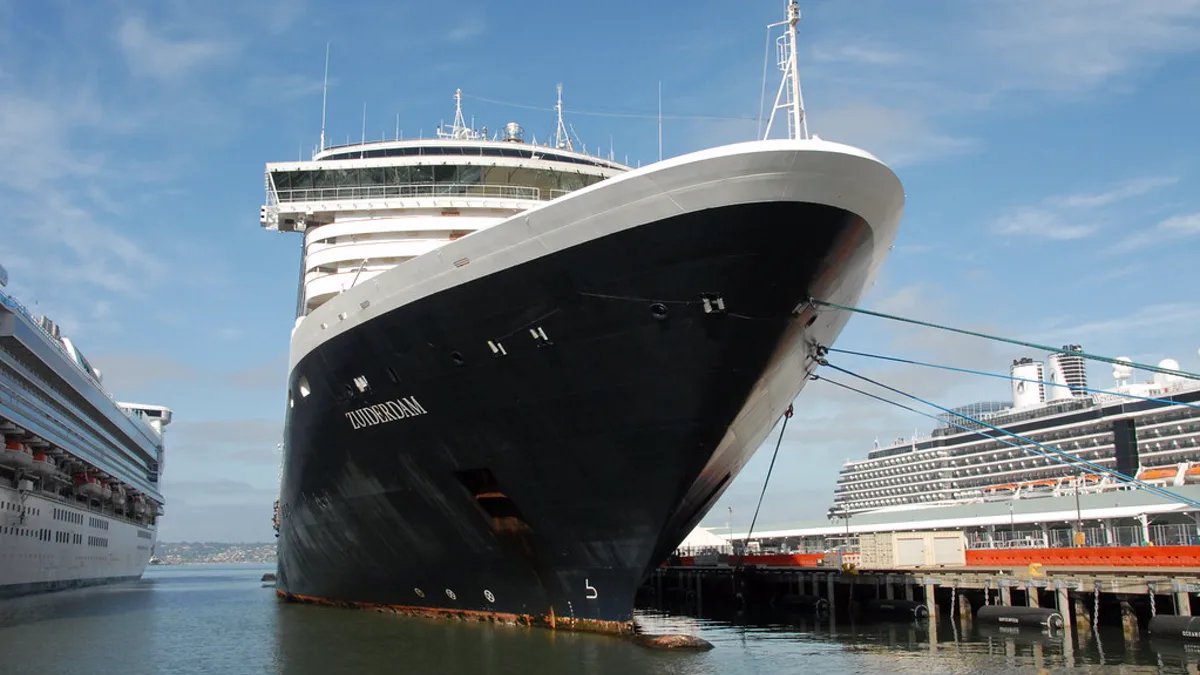
Why Does City Center Mooring Provide Superior Port Access?
River cruising delivers superior port access by tying up directly along central town embankments, allowing passengers to walk straight off the gangway into historic cobblestone plazas, medieval quarters, and local cafes without needing commercial port shuttle buses or taxi transfers.
When you dock on a river cruise in destinations like Budapest, Vienna, or Cologne, the city historical center is immediately outside your cabin window. You can easily stroll ashore after dinner to photograph illuminated cathedrals or explore local wine taverns without taking taxis. Occasionally in busy river ports, ships will raft side by side, requiring guests to walk through a neighboring vessel lobby to reach the shore.
Ocean cruise ships require deep industrial berths located outside historic town centers. Reaching central historic attractions frequently requires taking commercial port shuttle buses, booking organized excursions, or hiring taxis. In tender ports, ocean passengers must board small transfer boats to reach the shore.
How Do Dining Formats and Entertainment Styles Compare?
Onboard life on a river cruise centers on regional culinary menus, cultural enrichment lectures, and relaxed scenic viewing, whereas ocean cruise ships operate as lively floating resort complexes featuring diverse specialty restaurants, comedy clubs, casino gaming, and multi-deck theatrical entertainment venues.
River cruises feature a single main dining room serving regionally inspired cuisine paired with local wines, a panoramic observation lounge, and a top sun deck for scenic cruising. Evening entertainment is subdued, featuring performances by local folk musicians, classical string quartets, or historical lectures. Ships omit casinos, climbing walls, or loud production revues.
Ocean ships offer a bustling resort environment with dozens of entertainment venues, comedy clubs, Broadway-style musical productions, casinos, youth clubs, and extensive specialty dining options. For travelers who enjoy holiday sailings, explore our guide to holiday winter sailings and celebrations.
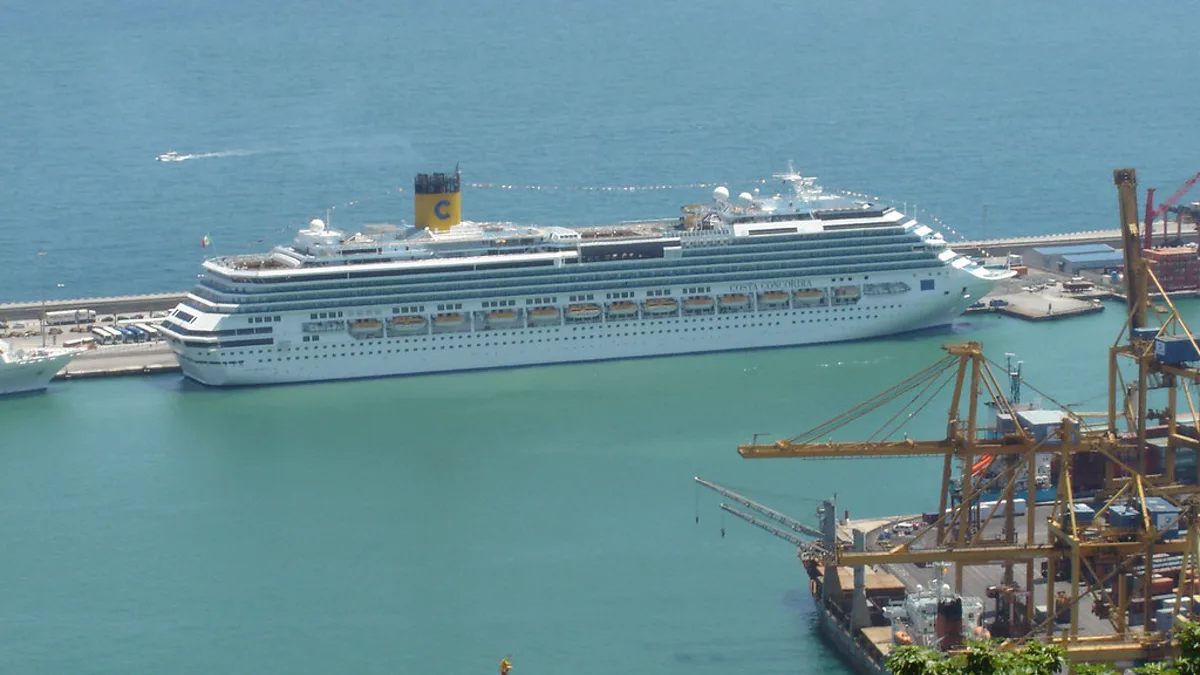
What Motion Dynamics and Water Level Factors Affect River Cruises?
River vessels cruise across calm, inland waters with zero wave swells, completely eliminating seasickness concerns for travelers. However, river itineraries remain subject to seasonal water level fluctuations from summer droughts or heavy spring snowmelts that can occasionally require minor fleet adjustments.
Because river ships navigate calm, sheltered waters surrounded by land, passengers never experience the rolling or pitching motion of the open sea. This makes river cruising ideal for travelers prone to motion discomfort. However, periods of prolonged summer drought can lower river depths, while heavy spring snowmelt can raise water levels so high that ships cannot pass beneath bridges.
When extreme water levels occur, river cruise lines implement ship-swap operations, where passengers transfer between identical fleet sister ships positioned on either side of the river obstruction, or utilize luxury motorcoaches to complete scheduled land tours with minimal itinerary disruption.
River Cruise vs Ocean Cruise Feature Comparison
Evaluating river cruise vs ocean cruise vacation models helps travelers select the ideal voyage for their vacation priorities. The reference guide below details key operational differences.
| Vacation Factor | River Cruise Profile | Ocean Cruise Profile | Key Vacation Difference |
|---|---|---|---|
| Passenger Capacity | 120 to 190 guests | 2,500 to 6,000+ guests | Intimate social setting vs bustling resort city |
| Docking Location | Directly in town center promenades | Industrial deep-water piers or tender anchorages | Walk off into town vs shuttle transfer required |
| Sea Motion & Stability | Zero wave motion; no seasickness | Subject to open-ocean swells and waves | Completely calm water navigation on rivers |
| Daily Inclusions | Excursions, beer/wine with meals, Wi-Fi | À la carte pricing for tours, drinks, and Wi-Fi | More inclusive upfront base fare on river lines |
| Onboard Entertainment | Local musicians, lectures, quiet lounges | Broadway shows, casinos, waterslides, night clubs | Cultural enrichment vs high-energy resort attractions |
| Weather Vulnerability | River water levels (high/low locks) | Ocean storm systems and rough sea states | Water depth restrictions vs open swell routing |
Common Misconceptions About River and Ocean Cruising
First-time travelers often compare river and ocean vacations through common assumptions. Reviewing verifiable facts clarifies how these two travel models operate.
| Myth | Fact |
|---|---|
| River cruises have the same entertainment options as ocean ships. | River vessels feature quiet cultural enrichment and local musicians rather than large stage productions. |
| You can experience motion sickness on a river cruise. | Inland rivers are completely calm with zero open-ocean wave roll or swell motion. |
| River cruise schedules are never impacted by weather. | Extreme high or low river water levels can occasionally require bridge adjustments or ship swaps. |
| River cruising is exclusively for retirees. | Active themed itineraries (biking, culinary, wine) attract diverse demographics of all adult ages. |
Deck-chair questions
Is a river cruise more expensive than an ocean cruise?
Upfront river cruise fares are typically higher per day, but include daily shore excursions, wine and beer with meals, and Wi-Fi, which often cost hundreds of dollars extra on ocean ships.
Do you ever lose sight of land on a river cruise?
No. On a river cruise, land, vineyards, historic villages, and castle ruins are constantly visible on both sides of the vessel throughout the entire voyage.
Are there formal nights on river cruises?
River cruising is generally elegant casual. Most sailings avoid strict black-tie formal nights; guests typically dress in smart casual attire (collared shirts, dresses, slacks) for evening dinners.
Can children go on river cruises?
Most river cruise lines enforce minimum age limits (typically 8, 12, or 18 years old) and lack dedicated children facilities, though select lines offer specialized family holiday market departures.
What happens if river water levels are too low or high?
If locks or bridges are impassable, cruise lines seamlessly perform a ship swap with a sister vessel past the obstacle or provide luxury coach transit to continue all scheduled shore tours.
How we researched this guide: Our maritime editorial team compared inland navigation standards from the Central Commission for the Navigation of the Rhine with global ocean cruise passenger logistics and audited fleet amenity policies.
Sources: Central Commission for the Navigation of the Rhine Vessel Specifications, Cruise Lines International Association River Cruise Market Overview, European Inland Waterway Transport Regulations.