
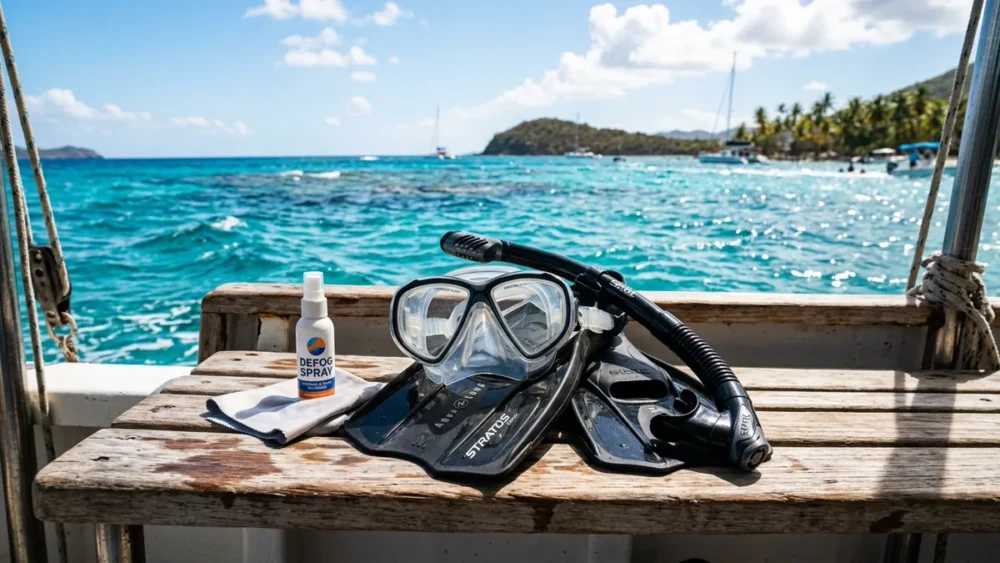
Boarding pass: Mastering snorkeling for beginners requires proper gear selection, mask defogging, and relaxed breathing. Beginners should choose a silicone mask with a suction seal test, a dry-top snorkel with a splash purge valve, and short travel fins. Floating horizontally with an inflatable snorkel vest ensures effortless buoyancy while protecting fragile coral reef ecosystems below.
What Gear Do You Need for Snorkeling for Beginners?
Gliding over a shallow tropical reef and observing colorful marine life is one of the most rewarding vacation experiences. However, using poorly fitting equipment or generic rental gear can quickly turn an exciting excursion into a frustrating struggle with leaky masks and water-filled breathing tubes.
Investing in your own well-fitting gear transforms the experience. When you assemble a personal snorkeling kit, you ensure optimal comfort and hygiene according to training recommendations from PADI. When packing your beach bag, consult our master beach vacation packing list for essential gear organization tips.
Your primary gear kit should include four fundamental components:
- Tempered Glass Silicone Mask: A low-volume mask crafted from soft, flexible silicone that molds to your facial contours without uncomfortable pressure points. Tempered glass lenses provide crystal-clear optics and resist scratching.
- Dry-Top Snorkel with Purge Valve: A modern dry snorkel features a specialized floating mechanism at the top that seals instantly when submerged, preventing ocean water from entering the breathing tube. A bottom silicone purge valve allows you to clear stray droplets with a single sharp exhalation.
- Short Blade Travel Fins: Compact travel fins (15 to 18 inches in length) fit easily inside carry-on luggage while providing adequate propulsion without tiring leg muscles.
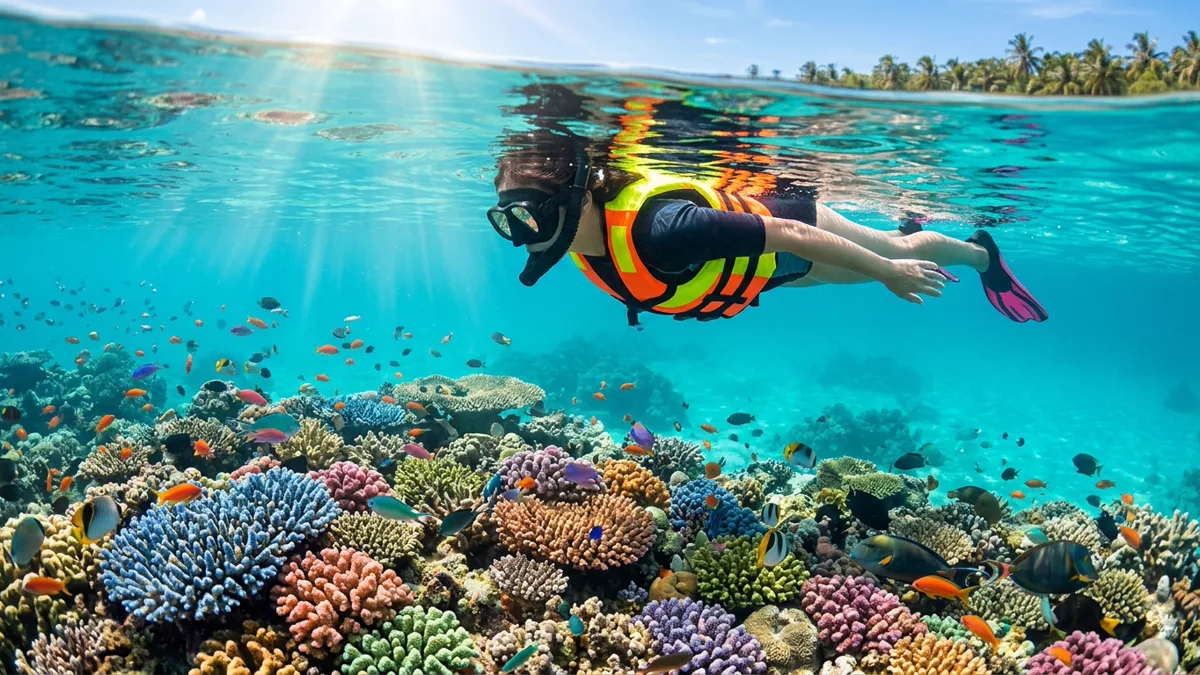
- Inflatable High-Visibility Snorkel Vest: An adjustable neon yellow or orange flotation vest provides customizable buoyancy with an oral inflation tube, ensuring relaxed surface floating for hours.
High-quality gear builds confidence in the water. For island route recommendations featuring calm coral reefs, review our eastern vs western caribbean cruise guide.
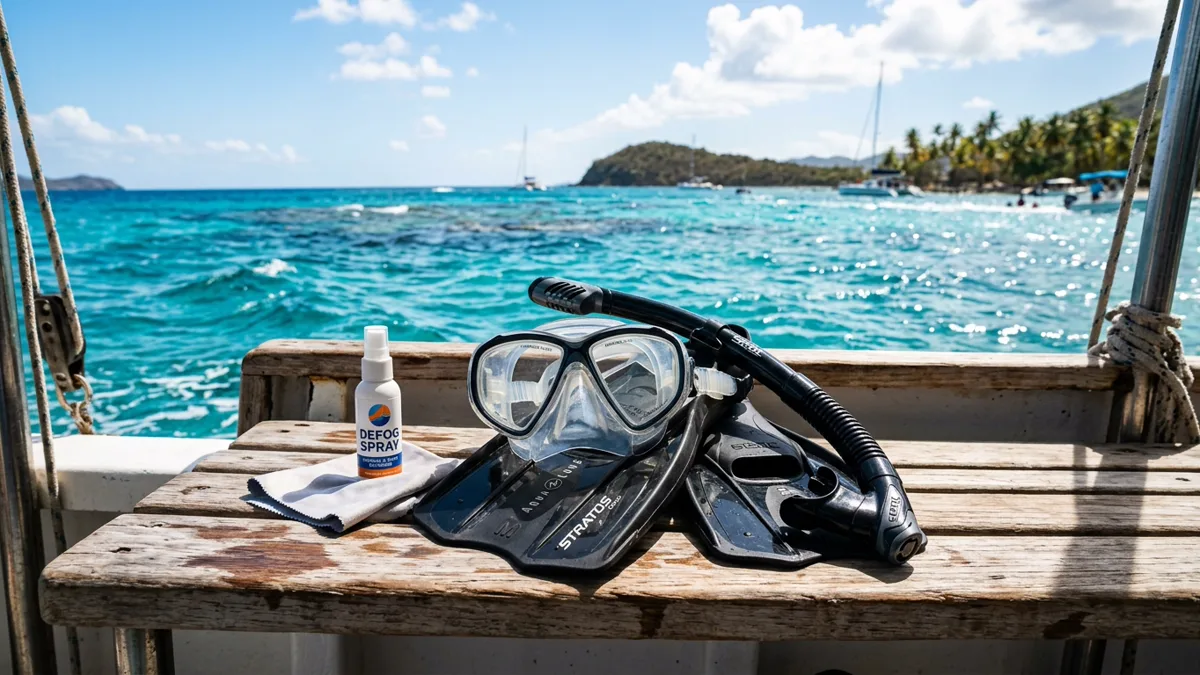
How Do You Achieve a Leak-Free Mask Seal and Prevent Fogging?
A fogged or leaky mask is the most common complaint among first-time snorkelers. Achieving a watertight seal starts with a proper dry suction test before ever entering the ocean.
To test a mask fit: Place the mask gently against your face without using the head strap. Ensure no stray hair or bangs sit under the silicone skirt. Inhale lightly through your nose. If the mask adheres firmly to your face and stays in place without falling off, it forms an airtight seal tailored to your facial geometry.
Preventing lens fog is equally important. When warm moisture from your face meets cooler ocean water outside the glass, condensation fogs up the inner lens. You can prevent fogging using proven preparation methods:
- New Mask Toothpaste Scrub: Brand new masks have a microscopic chemical release film from factory manufacturing. Rub a pea-sized dab of non-abrasive white paste toothpaste across the inside glass with your fingertips, rinse thoroughly with fresh water, and let dry.
- Commercial Anti-Fog Drops: Apply two drops of biodegradable anti-fog solution to dry lenses, rub evenly across the glass, and give the mask a quick rinse in sea water right before donning.
- Diluted Baby Shampoo Solution: A travel spray bottle with a 10:1 ratio of water to gentle tear-free baby shampoo acts as a highly effective, reef-friendly anti-fog barrier.
Avoid tightening the head strap too much. Overtightening pulls the silicone skirt outward, distorting the natural seal and causing immediate leaks along your cheekbones.
How Do You Breathe Calmly and Maintain Effortless Buoyancy?
Breathing through a snorkel tube can feel unfamiliar at first. The human brain is naturally wired to resist breathing while the face is submerged under water. Overcoming this natural anxiety requires slow, deliberate practice in shallow, calm water.
Stand in waist-deep water on a sheltered beach. Put your mask and snorkel on, bite gently on the silicone mouthpiece tabs, and seal your lips completely around the flange. Lower your face into the water while keeping your feet on the sand. Focus on taking slow, deep, rhythmic breaths through your mouth.
Position your body horizontally. Keep your chest relaxed, arms floating gently at your sides or resting on your lower back, and look downward at a 45-degree angle. Floating horizontally ensures the snorkel tube points upward out of the water, preventing wave splashes from entering the top valve.
If water ever enters the tube, do not panic. Simply exhale sharply with a sudden “puff” sound to blow the trapped water through the one-way lower purge valve. Modern dry snorkels make clearing effortless.
Which Fin Kicking Styles Deliver Maximum Swimming Efficiency?
Kicking with swim fins is very different from standard pool swimming. Many beginners make the mistake of bending their knees and bicycle-kicking, which splashes the water surface, tires quadricep muscles rapidly, and scares away nearby marine life.
Use a relaxed flutter kick initiated from the hips. Keep your legs relatively straight with loose, flexible knees and pointed toes. Generate smooth, slow, fluid kicks completely beneath the water surface.
Review the comparative technique guide below:
| Swimming Style | Leg Movement | Water Disturbance | Efficiency & Stamina |
|---|---|---|---|
| Proper Flutter Kick | Long, smooth strides from hips | Zero surface splashing | Maximum propulsion, low fatigue |
| Bicycle Kick (Error) | Bent knees pushing downward | High turbulence, loud splashing | Rapid exhaustion, spooks fish |
| Frog Kick | Wide outward breaststroke sweep | Moderate side displacement | Great over shallow sand beds |
| Sculling Glide | Gentle ankle flexes while drifting | Completely silent gliding | Ideal for coral reef observation |
Relaxation is key. By letting your fins do the work with slow, rhythmic motions, you can snorkel for hours without straining calf muscles or experiencing leg cramps.
Should Beginners Start Snorkeling from the Beach or an Excursion Boat?
Choosing the right environment for your first underwater adventure determines how comfortable you will feel. Beginners often debate between walking in directly from the shoreline or booking a guided catamaran boat tour.
Shore snorkeling is ideal for your initial sessions. Entering from a calm, sandy beach allows you to wade in gradually, adjust your mask, and practice breathing while maintaining the ability to stand up whenever you need a breather. Protected bays in St. Thomas, Grand Cayman, and Cozumel feature gentle drop-offs with healthy coral formations located just yards from shore.
Boat excursions offer access to offshore barrier reefs and deeper turquoise lagoons with superior water clarity. However, boat tours require stepping off swimming ladders into deep, open water where you cannot touch bottom. For tender port procedures when boarding shore excursion catamarans, see our guide on navigating a tender port.
When booking boat tours, choose small-group excursions led by professional marine guides who provide dedicated in-water supervision and flotation rings for novices.
How Do You Protect Delicate Coral Reefs and Marine Life?
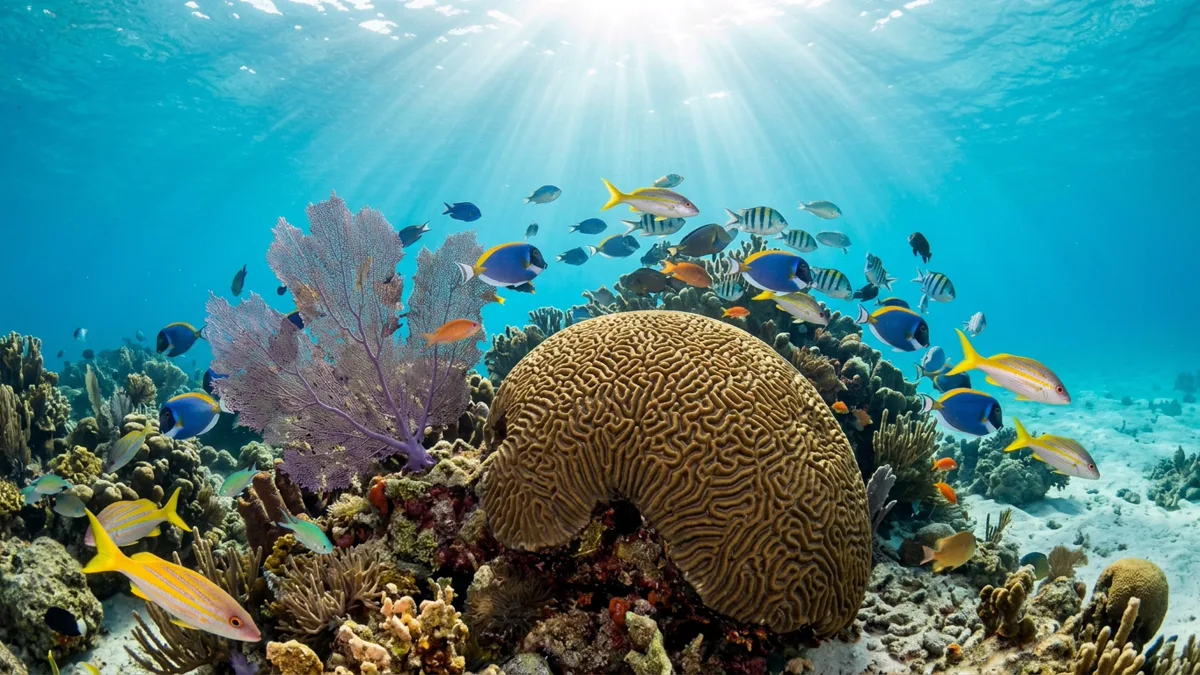
Coral reefs are living, breathing ecosystems composed of millions of delicate coral polyps. A single careless touch or fin kick can destroy decades of fragile coral growth in a split second according to the Coral Reef Alliance.
Follow strict marine conservation protocols:
- Never Stand on Coral: Coral formations may look like sturdy rocks, but they are living animal colonies covered in fragile polyps. If you need to rest, roll onto your back and inflate your snorkel vest, or swim to a patch of bare white sand before putting your feet down.
- Maintain a Safe Distance: Maintain at least three to four feet of clearance between your fins and the reef structure, especially in shallow surge zones.
- Never Chase or Touch Sea Creatures: Observe sea turtles, stingrays, and tropical fish passively. Touching marine wildlife strips protective mucus layers from their skin and causes severe stress.
- Use Reef-Safe Mineral Sunscreen: Chemical sunscreens contain toxic compounds that bleach coral. Use certified non-nano mineral zinc oxide lotions as highlighted in our ports and resorts safety guidelines.
Responsible snorkeling preserves underwater wonder for future generations. Respecting marine life ensures healthy reefs for years to come.
Snorkeling for Beginners FAQ
Can you go snorkeling if you do not know how to swim?
Yes, non-swimmers can snorkel safely by wearing an inflatable snorkel vest or holding onto a guided flotation life ring while accompanied by an experienced guide or companion in calm, shallow waters.
Can you wear contact lenses or glasses while snorkeling?
You cannot wear regular eyeglasses under a snorkel mask because the frame arms break the silicone seal. However, you can safely wear soft contact lenses, or purchase an affordable optical corrective prescription snorkel mask.
How do you prevent water from coming into the snorkel?
Using a dry-top snorkel prevents water entry because a floating valve mechanism automatically seals the tube whenever submerged or hit by surface wave crests.
Why do your ears hurt when you dive down while snorkeling?
Water pressure increases as you descend, compressing the air inside your eardrums. You can equalize pressure by pinching your nose through the silicone mask pocket and blowing gently through your nostrils.
How we researched this: Snorkeling gear standards, ocean safety protocols, and marine conservation guidelines are compiled from the Professional Association of Diving Instructors (PADI), the Coral Reef Alliance, and the National Oceanic and Atmospheric Administration (NOAA) as of October 2026.