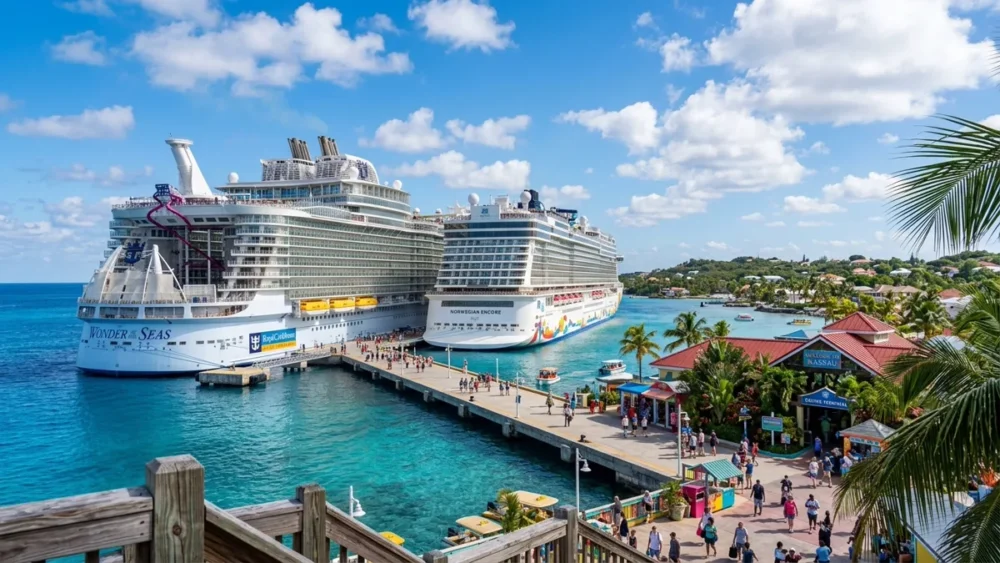
Boarding pass: Deciding between an Eastern vs Western Caribbean cruise depends on your vacation focus: Eastern Caribbean sailings emphasize world-class beaches, duty-free shopping, and more open-ocean sea days, while Western Caribbean routes feature eco-adventures, ancient Mayan ruins, and premier coral reef diving. Southern Caribbean routes offer arid climates and cultural immersion.
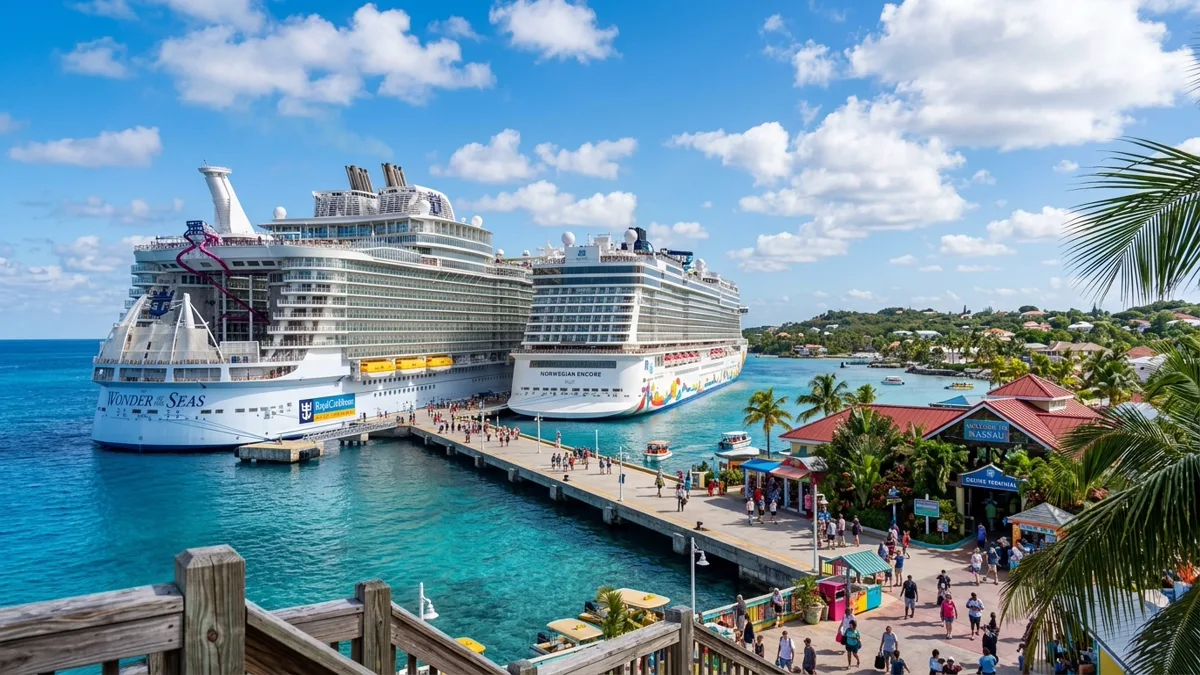
Selecting the ideal Caribbean sailing represents one of the most exciting decisions for ocean travelers. The Caribbean basin spans thousands of islands and coastal regions, each offering distinctive cultural traditions, landscapes, and maritime activities. Deciding between an eastern vs western caribbean cruise shapes your entire vacation pace, shore excursion options, and port-to-sea-day ratio. Both regions are spectacular. However, they serve distinctly different traveler preferences.
When comparing itineraries, look beyond the cruise line promotional brochures. An eastern caribbean cruise typically navigates the Atlantic-facing islands of the Greater and Lesser Antilles, providing pristine white-sand coastlines and tranquil sailing conditions. Conversely, a western caribbean cruise crosses the Gulf of Mexico toward Central America and Mexico, delivering dense rainforest excursions, archaeological landmarks, and barrier reef snorkeling. For voyagers seeking even deeper tropical immersion, a southern caribbean cruise provides arid island landscapes near the South American coast. Consult our ports and resorts directory, check our best time to cruise caribbean guide, and consult our first time cruise preparation guide before finalizing reservations.
- Eastern Itineraries: Prioritize postcard-perfect beaches, yacht harbors, and extended relaxing sea days.
- Western Itineraries: Deliver action-packed shore excursions, zip-lining, cave tubing, and Mayan ruins.
- Southern Itineraries: Feature longer 7 to 10-night voyages with port-intensive daily schedules.
- Departure Hubs: Eastern voyages depart primarily from Florida; Western sailings also leave from Texas and Louisiana.
What Distinguishes Eastern Caribbean Ports and Shore Excursions?
The Eastern Caribbean is renowned for its idyllic coastlines, historic colonial architecture, and duty-free retail districts. Standard 7-night Eastern voyages departing from Miami, Fort Lauderdale, or Port Canaveral frequently visit St. Thomas in the U.S. Virgin Islands, St. Maarten/St. Martin, and San Juan, Puerto Rico. Many itineraries also include a stop at the cruise line private island in the Bahamas.
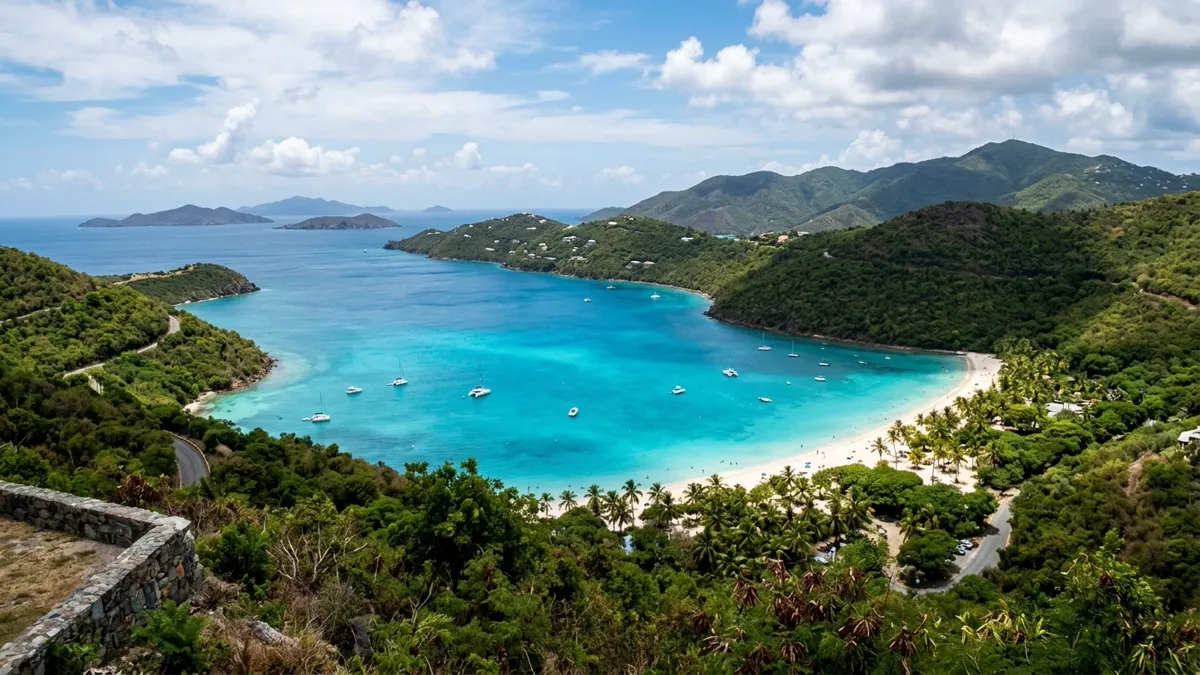
St. Thomas functions as a premier haven for beach enthusiasts and maritime shoppers. Visitors flock to Magens Bay, a heart-shaped cove framed by lush green hillsides, or take water taxis to nearby St. John for snorkeling in Virgin Islands National Park. St. Maarten offers a unique dual-nation heritage with Dutch and French cultural influences, alongside famous Maho Beach where jetliners approach low over the sand.
In San Juan, cruise ships dock directly alongside Old San Juan, allowing travelers to walk directly into centuries-old cobblestone streets, Spanish forts like Castillo San Felipe del Morro, and lively public plazas without booking motorized shore excursions. The Eastern Caribbean delivers a relaxed, refined island pace centered on crystal-clear waters and leisurely sightseeing.
- Signature ports: St. Thomas, St. Maarten, San Juan, Tortola, Nassau.
- Primary attractions: Magens Bay beach, Trunk Bay snorkeling, Old San Juan historical forts, duty-free jewelry.
- Travel dynamic: Laid-back, sun-focused, ideal for beach lovers and luxury shoppers.
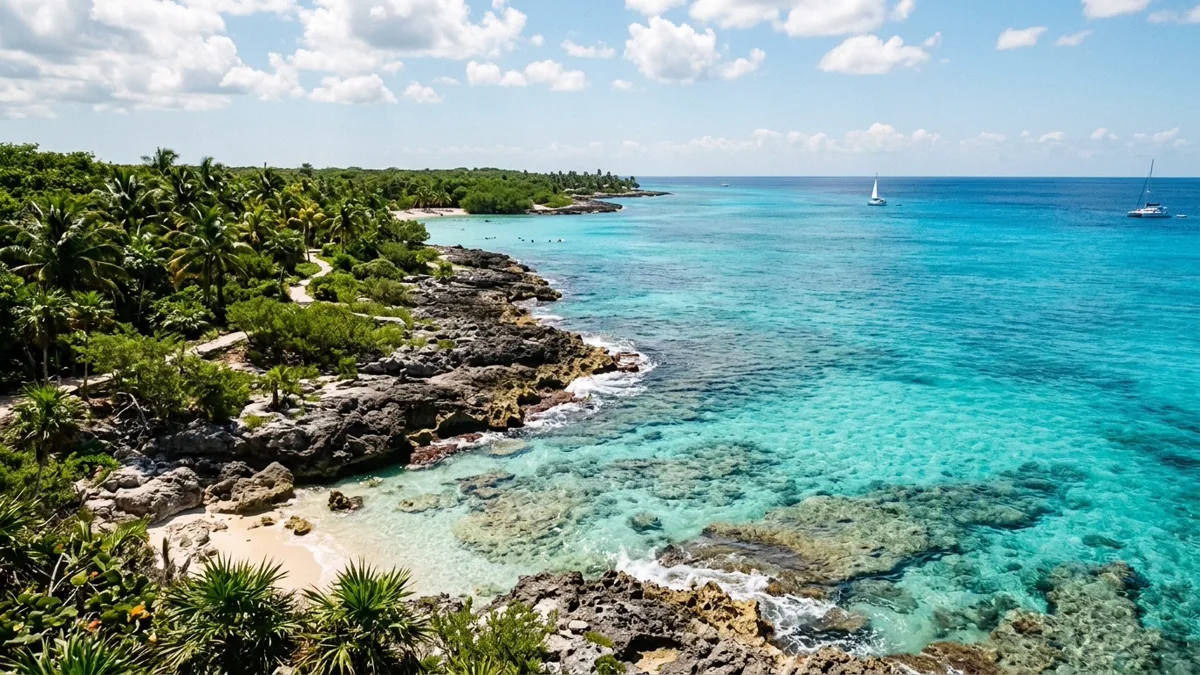
What Makes Western Caribbean Shore Excursions Unique?
If your ideal vacation leans toward active adventures and cultural discoveries, the Western Caribbean offers unmatched variety. Western itineraries regularly stop in Cozumel and Costa Maya (Mexico), Roatán (Honduras), Grand Cayman, and Belize City or Harvest Caye. These departures operate out of Florida ports as well as Gulf Coast hubs like Galveston, New Orleans, and Tampa.
Cozumel is celebrated globally as one of the top scuba diving and drift snorkeling destinations, protected by the Mesoamerican Barrier Reef System. Shore excursions from mainland Mexican ports allow travelers to tour ancient Mayan archaeological ruins such as Tulum, Chichen Itza, and Kohunlich. Exploring these stone pyramids provides profound insight into pre-Columbian civilization.
In Belize and Honduras, adventurous travelers can hike through tropical rainforests, navigate underground river cave systems in inner tubes, zip-line across jungle canopies, or swim alongside stingrays and nurse sharks at Hol Chan Marine Reserve. Grand Cayman delivers world-famous Stingray City and Seven Mile Beach, where guests interact with wild southern stingrays in waist-deep sandbars.
- Signature ports: Cozumel, Roatán, Grand Cayman, Costa Maya, Belize City.
- Primary attractions: Mayan archaeological sites, cave tubing, Mesoamerican reef diving, Stingray City sandbar.
- Travel dynamic: High-energy, adventure-driven, rich in biodiversity and indigenous history.
How Do Southern Caribbean Routes Differ from Island Circuits?
Situated below the hurricane belt near the northern coast of South America, the Southern Caribbean features distinctive volcanic landscapes, arid terrain, and European colonial flair. Classic Southern ports include the ABC Islands (Aruba, Bonaire, Curacao), Barbados, St. Lucia, and Antigua.
Aruba features wide, breezy white beaches and desert cactus fields, while Bonaire is an internationally recognized marine sanctuary with shore-accessible coral reefs. Curacao enchants visitors with its pastel Dutch colonial architecture in Willemstad, a UNESCO World Heritage site. St. Lucia offers dramatic volcanic peaks (the Pitons), sulfur springs, and botanical rainforests.
Because Southern Caribbean destinations lie further from the North American mainland, standard itineraries typically last 8 to 14 nights, or depart directly from island embarkation hubs like San Juan, Puerto Rico, or Bridgetown, Barbados. Southern sailings are intensive, often visiting 5 or 6 distinct ports in a single week with fewer sea days.
Evaluating Sea Days and Cruising Pace by Region
Understanding the balance between sea days and port calls is critical when matching itineraries to your personal travel rhythm. On a standard 7-night roundtrip voyage from Florida, Eastern and Western Caribbean routes distribute your sailing hours differently.
Eastern Caribbean voyages involve greater geographical distances across the open Atlantic Ocean. Consequently, most 7-night Eastern sailings feature three full sea days and three port days. These scheduled sea days provide ample time to enjoy shipboard amenities, relax by the pool deck, indulge in spa treatments, and savor leisurely multi-course dining without setting morning alarm clocks.
Western Caribbean itineraries, by comparison, feature shorter transit distances between the Yucatan Peninsula, Central America, and Caribbean islands. As a result, 7-night Western sailings typically offer four full port days and only two sea days. This schedule requires higher physical stamina, as travelers spend consecutive full days exploring ashore under tropical heat. Remember to review our tropical cruise packing list to pack appropriate walking footwear and sun protection.
Eastern vs Western Caribbean Cruise Comparison Matrix
To help you evaluate which sailing aligns with your vacation goals, this comparison table summarizes key travel parameters across Eastern, Western, and Southern Caribbean routes.
| Cruise Region | Signature Ports of Call | Typical 7-Night Sea Days | Top Excursion Activities | Optimal Traveler Fit |
|---|---|---|---|---|
| Eastern Caribbean | St. Thomas, St. Maarten, San Juan, Tortola | 3 Sea Days | Beach lounging, catamaran sailing, historical walking, luxury shopping | Couples, first-time cruisers, travelers seeking relaxation |
| Western Caribbean | Cozumel, Roatán, Grand Cayman, Belize, Costa Maya | 2 Sea Days | Mayan ruins exploration, cave tubing, reef snorkeling, jungle zip-lining | Active families, history enthusiasts, adventure seekers |
| Southern Caribbean | Aruba, Bonaire, Curacao, St. Lucia, Barbados | 1 to 2 Sea Days | Scuba diving, volcanic hikes, windsurfing, colonial architecture tours | Port collectors, experienced cruisers, multi-week travelers |
Common Itinerary Misconceptions and Operational Truths
Many travelers hold preconceived notions about Caribbean cruising regions. Reviewing common misconceptions provides greater clarity when booking.
Misconception: All Caribbean cruise ports offer the exact same generic beach and shopping experiences.
Operational Truth: Caribbean ports vary dramatically in geography, culture, language, and ecology. An excursion hiking the volcanic Pitons of St. Lucia is entirely different from touring ancient stone pyramids in the Mexican jungle or shopping Dutch colonial boutiques in Curacao.
Misconception: Western Caribbean sailings always experience rougher open-water sea conditions than Eastern routes.
Operational Truth: Ocean swells depend entirely on local meteorological fronts rather than regional labels. In fact, Western Caribbean waters in the leeward shelter of the Yucatan Peninsula are frequently calmer than open Atlantic swells encountered on the northern transit toward Eastern Caribbean islands.
How we researched this: Our regional Caribbean cruise comparisons combine maritime port authority navigation logs, geographic bathymetry data, verified passenger excursion ratings, and official destination tourism boards to deliver comprehensive, accurate travel insights.
Common Inquiries on Caribbean Sailing Options
Which Caribbean cruise itinerary is best for first-time cruisers?
For most first-time voyagers, the Eastern Caribbean is widely considered the ideal choice. Eastern routes feature pristine beaches, highly developed tourism infrastructure, and three relaxing sea days that allow new cruisers to fully enjoy the ship amenities without feeling rushed.
Are departure ports outside of Florida available for Western Caribbean cruises?
Yes. Western Caribbean cruises depart year-round from several convenient Gulf Coast ports including Galveston (Texas), New Orleans (Louisiana), Mobile (Alabama), and Tampa (Florida), providing easy drive-to access for millions of central U.S. travelers.
What is a tender port on a Western Caribbean cruise?
A tender port is a destination where the water is too shallow or congested for cruise ships to dock directly at a pier. In ports like Grand Cayman or Belize City, ships anchor offshore, and passengers board motorized shuttle boats (tenders) to transit between ship and shore.
Can I visit both Eastern and Western Caribbean on a single cruise?
Yes. Many cruise lines offer back-to-back 7-night sailings or 14-night grand Caribbean voyages that combine an Eastern Caribbean route on week one with a Western Caribbean route on week two, allowing guests to explore both regions without changing vessels.