
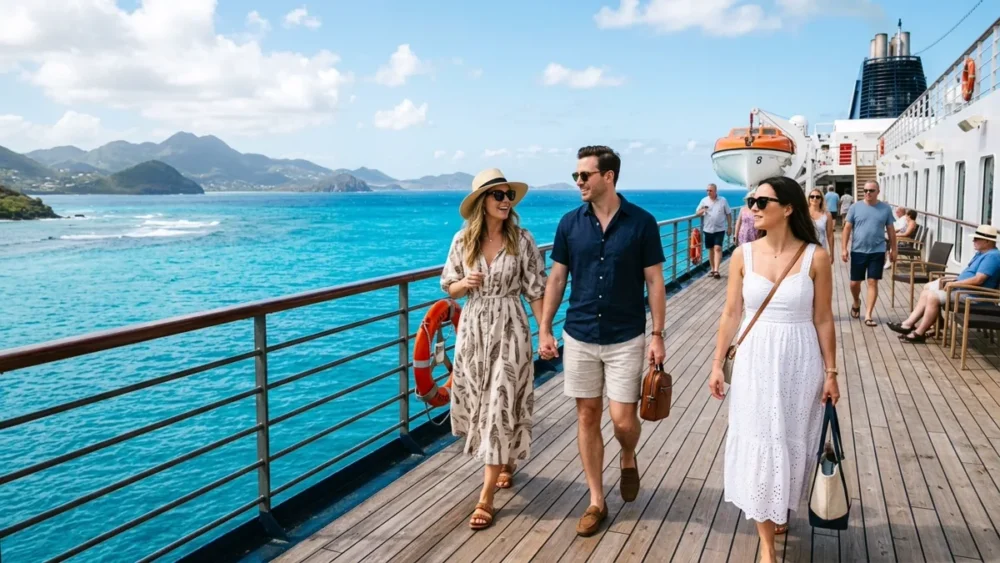
Boarding pass: Deciding what to wear on a cruise centers on three daily wardrobe changes: daytime poolside swimwear with cover-ups, breathable moisture-wicking excursion clothing for tropical ports, and smart-casual or elegant evening dining attire. Most modern cruise lines enforce resort-casual guidelines with optional formal evenings.
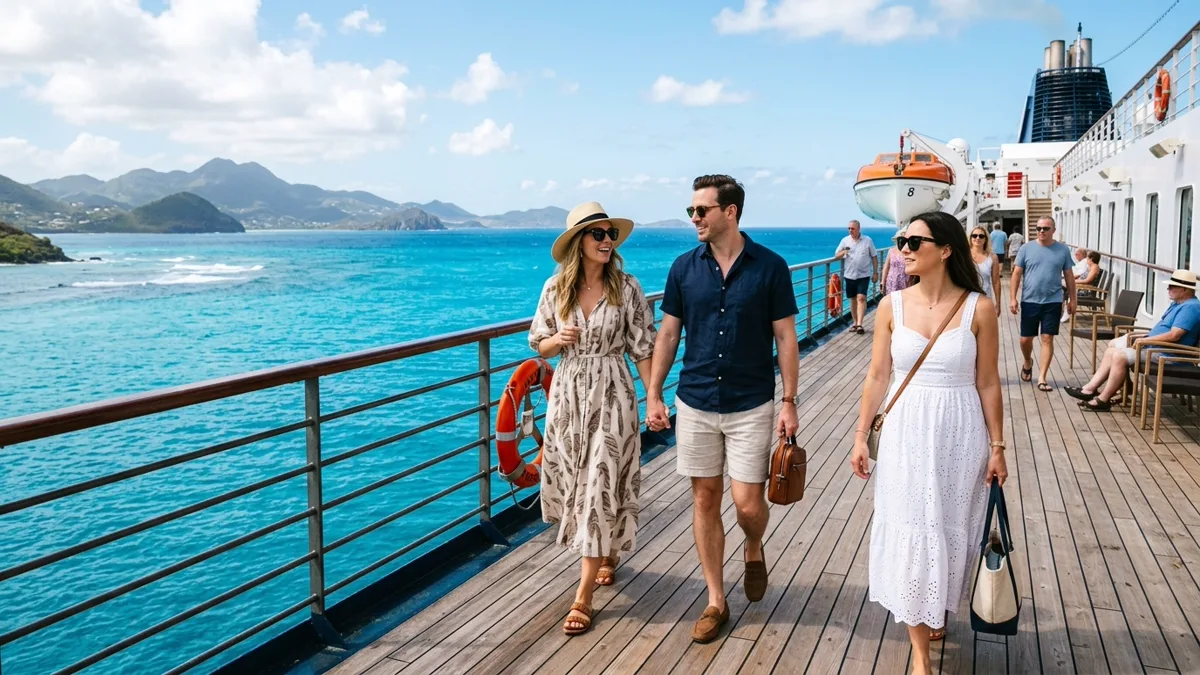
Packing appropriate clothing for an ocean voyage requires balancing daytime sun exposure, active shore excursions, air-conditioned indoor lounges, and evening dining traditions. Knowing what to wear on a cruise ensures you remain comfortable whether lounging poolside under tropical trade winds or dining in grand multi-deck restaurants. Planning your wardrobe eliminates overpacking while keeping you fully prepared for every venue.
Across major ocean fleets, the daily schedule naturally divides into casual daytime lounging and refined evening gatherings. Selecting stylish cruise outfits involves coordinating breathable natural fabrics like linen, modal, and cotton blends that handle tropical humidity effortlessly. While historical ocean liners required elaborate evening gowns and black-tie tuxedos, the modern cruise dress code has evolved into approachable resort-casual standards. Even on a designated formal night cruise dinner, contemporary guidelines embrace cocktail dresses, dress shirts, and tailored trousers. Explore our packing and outfits section, check our essential cruise packing checklist, and consult our first time cruise preparation guide before packing your luggage.
- Daytime Pool Deck: Swimwear, quick-dry shorts, UV rash guards, and mandatory footwear cover-ups.
- Port Excursions: Lightweight moisture-wicking shirts, comfortable walking sneakers, and sun hats.
- Evening Smart Casual: Polo shirts, collared button-downs, sundresses, linen pants, and blouses.
- Formal Evenings: Dark suits, cocktail dresses, dress slacks, and optional blazers.
How Do You Decide What to Wear on a Cruise for Daytime and Sea Days?
Daytime life aboard a modern cruise ship is delightfully relaxed. From sunrise until approximately six in the evening, casual resort wear is standard across all open decks, buffet stations, sports courts, and poolside lounges. Swimsuits, board shorts, tank tops, sundresses, and flip-flops are completely acceptable around outdoor swimming areas.
However, maritime hygiene and etiquette standards establish two critical boundaries. First, swimwear must remain confined to outer pool decks. When entering indoor public areas, including casual buffet restaurants, atrium lounges, and shopping promenades, guests must put on dry shirts or cover-ups and slip-resistant footwear. Walking through interior corridors in damp swimwear is strictly prohibited.
Second, ship interiors maintain aggressive air conditioning to counter outdoor tropical heat. Carrying a lightweight cardigan, zip-up hoodie, or linen wrap prevents shivering during indoor trivia sessions, cooking demonstrations, and afternoon bingo games. Pack at least two or three swimsuits so one set dries thoroughly while you wear the other.
- Outdoor sundecks: Bathing suits, boardshorts, polarized sunglasses, wide-brim sun hats.
- Indoor buffet areas: Dry T-shirts, shorts, casual sundresses, sandals or sneakers.
- Air-conditioned lounges: Light layers, breathable sweaters, denim jackets, cotton wraps.
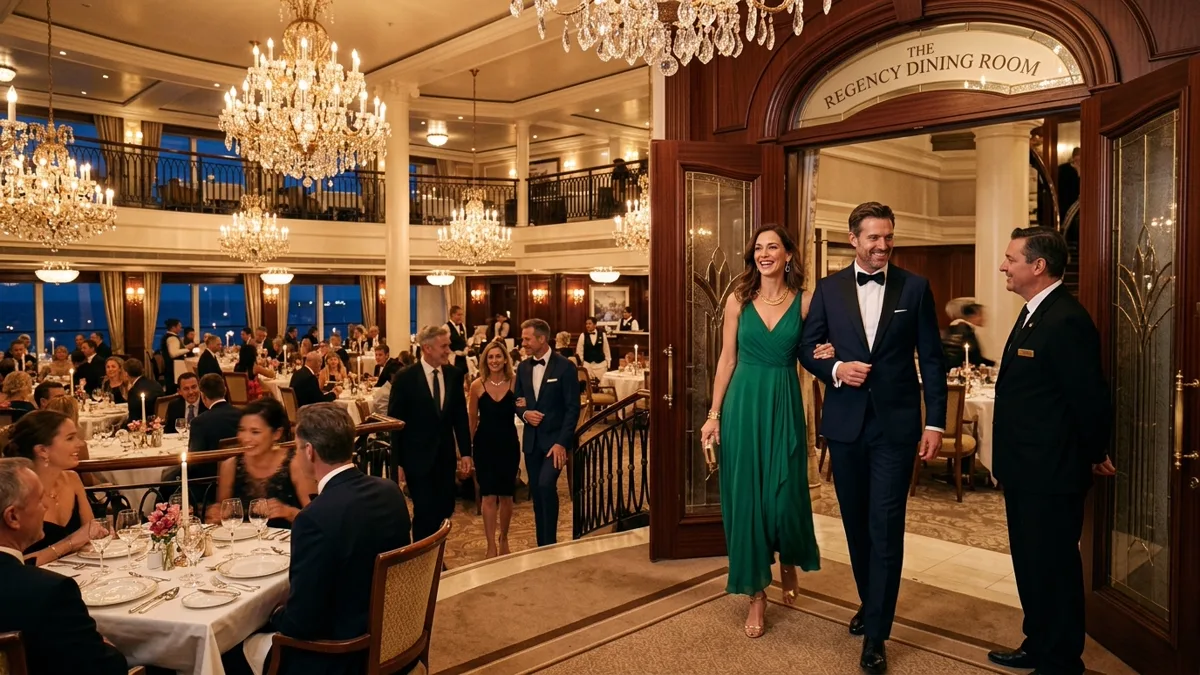
What Outfits Work Best for Tropical Port Excursions and City Tours?
Port days demand clothing engineered for tropical heat, high humidity, variable terrain, and cultural respect. Whether you are exploring historical cobblestone streets in San Juan or trekking coastal trails in Cozumel, functional comfort takes precedence over runway fashion.
Opt for loose-fitting, moisture-wicking technical fabrics rather than heavy denim. Synthetic athletic shorts, UPF 50+ sun shirts, and breathable linen shorts keep perspiration away from the skin. Footwear represents the single most important port decision. Closed-toe walking sneakers with supportive arch cushioning or rugged water sandals prevent blisters during extensive walking tours.
In addition, several Caribbean and European ports enforce modest dress standards at religious landmarks and government sites. When visiting historic cathedrals in Old San Juan or Mediterranean basilicas, shoulders and knees must remain covered. Packing a lightweight sarong or scarf in your daypack allows you to cover exposed shoulders instantly without overheating during outdoor walks.
How Do Evening Dining Room Dress Codes Operate Across Fleets?
Around six o’clock each evening, passenger ships transition from daytime casual to evening dining dress standards. The main dining rooms and specialty restaurants enforce a smart-casual environment that elevates the onboard dinner atmosphere.
For men, smart-casual attire includes collared polo shirts, short-sleeve button-downs, tailored chinos, linen trousers, or clean dark jeans without rips, paired with loafers, boat shoes, or leather dress sneakers. For women, evening wear includes stylish sundresses, jumpsuits, skirts, tailored capris, and elegant blouses. Sleeveless tank tops, baseball caps, athletic gym shorts, and bare feet are consistently turned away at main dining room entrances.
If you prefer to remain completely casual throughout your vacation, cruise lines provide full buffet dining on upper decks every evening. The casual buffet offers the same high-quality proteins, carving stations, and desserts served in the main dining room, allowing you to dine in shorts and T-shirts without participating in formal dress standards.

What Are the Requirements for Cruise Formal Nights and Gala Dinners?
Most 7-night ocean voyages host one or two designated formal evenings (frequently rebranded as “Dress Your Best”, “Chic Night”, or “Evening Chic” on modern lines). These evenings offer an opportunity to capture professional portraits and celebrate milestone occasions in refined attire.
Contrary to common fears, formal night does not mandate tuxedo rentals or ballgowns. Modern formal attire welcomes a broad spectrum of elegant clothing. A tailored dark suit with a collared dress shirt (tie optional), a blazer paired with dress slacks, or a sophisticated cocktail dress, pantsuit, or midi dress meets every fleet guideline effortlessly.
Participation in formal nights is always voluntary. Guests who prefer not to pack suits or dress shoes can comfortably dine in the casual buffet, order complimentary stateroom room service, or relax in outdoor poolside pizza stations without feeling out of place.
Daily Cruise Wardrobe Planning and Dress Code Matrix
To assist in your suitcase planning, this wardrobe matrix outlines appropriate attire for every daily sailing window across mainstream cruise lines.
| Time & Setting | Atmosphere / Code | Men Attire Options | Women Attire Options | Footwear Recommendation |
|---|---|---|---|---|
| Daytime Sea Days | Poolside Casual | Swim shorts, graphic tees, rash guards | Swimsuits, tunics, kaftans, sun hats | Flip-flops, pool slides, sandals |
| Port Excursions | Active Tropical | Moisture-wicking polos, cargo shorts | Athletic shorts, sun dresses, UPF tops | Cushioned sneakers, water shoes |
| Evening Smart Casual | Resort Casual | Collared shirts, chinos, dark denim | Maxi dresses, blouses, culottes | Loafers, boat shoes, dress flats |
| Formal Gala Night | Evening Chic | Dark suits, sport coats, dress slacks | Cocktail dresses, dressy jumpsuits | Leather oxfords, dress heels, wedges |
Common Cruise Dress Code Misconceptions and Operational Truths
Navigating cruise attire involves clearing up outdated stereotypes that linger from maritime eras of the past.
Misconception: You must purchase or rent a black-tie tuxedo to eat dinner on formal night.
Operational Truth: Tuxedos have become rare on contemporary cruise ships, representing less than 5 percent of guests. A well-fitted sports coat, collared dress shirt, or cocktail dress meets all formal night requirements across mainstream and premium cruise fleets.
Misconception: Cruise lines strictly ban blue jeans from all dining rooms at all times.
Operational Truth: Modern dress guidelines permit neat, dark-wash denim in main dining rooms on smart-casual evenings, provided jeans are free of holes, fraying, or paint splatters.
How we researched this: Our cruise wardrobe guides compile verified passenger ticketing contracts, cruise line food and beverage dress manuals (checked October 2026), port authority cultural directives, and textile durability evaluations to deliver actionable packing advice.
Common Inquiries on Cruise Clothing Guidelines
Are shorts permitted in the main dining room at dinner?
Most mainstream cruise lines ask guests to refrain from wearing shorts in the main dining room during evening dinner hours. However, tailored dress shorts are permitted on select warm-weather itineraries on lines like Norwegian and Carnival. The buffet always welcomes casual shorts at dinner.
How many outfits should I pack for a 7-night cruise?
Plan for two distinct outfits per day: one casual daytime outfit (swimwear or excursion shorts) and one smart-casual evening outfit for dinner. Packing mix-and-match capsule wardrobe pieces, such as neutral chinos and versatile sundresses, minimizes suitcase bulk.
Are self-service laundry facilities available on cruise ships?
Lines such as Carnival, Princess, and Disney feature self-service launderettes with coin or keycard washers, dryers, and ironing boards on stateroom decks. Other lines, such as Royal Caribbean and Celebrity, do not offer self-service machines but provide professional wash-and-press services for a nominal fee.
What should I wear on embarkation day before luggage arrives?
Wear comfortable travel clothes such as breathable shorts, a lightweight polo, and walking sneakers. Carry your swimsuit, sunglasses, and sandals in your daypack carry-on so you can enjoy the pool deck immediately while dockside porters deliver your checked luggage.